
You've probably experienced this at some point.
You're walking outside with a friend on the exact same hot day. They're perfectly comfortable.
Meanwhile, your forehead is sweaty, your shirt is damp, and you're wondering how the two of you can possibly be experiencing the same weather.
So, why do some people sweat more than others?
There's no single answer.
How much you sweat can change based on your environment, what you're doing, how your nervous system responds, your individual health, certain medications, and even what you've eaten or had to drink.
And sometimes, a person simply experiences excessive sweating more often than the people around them.
First, Why Do We Sweat at All?
Sweat isn't your body malfunctioning.
It's one of the ways your body keeps itself from overheating.
When your body gets too warm, your nervous system signals sweat glands in your skin to produce sweat. As that moisture evaporates from your skin, it helps cool you down.
That's why sweating increases during obvious situations like exercise or hot weather.
But temperature isn't the only trigger.
Your nervous system also controls emotional sweating, which can happen in response to feelings such as stress, fear, anxiety, or nervousness.
Already, that creates plenty of opportunities for two people standing in the same room to sweat very differently.
1. You May Respond Differently to Heat and Exercise
Put two people through the same activity and you shouldn't necessarily expect identical sweat patterns.
Exercise increases body temperature, which activates the body's cooling response. Hot or humid weather can increase sweating as well, while humidity makes it harder for sweat to evaporate efficiently.
Your activity level matters too.
Someone walking briskly to work carrying a laptop bag is putting different demands on their body than someone strolling beside them.
Small differences can add up.
So if you're sweating and your friend isn't, that doesn't automatically mean something is wrong.
2. Stress Can Make You Sweat Even When You Aren’t Hot
Ever developed sweaty palms immediately before a presentation?
Or started sweating during an awkward conversation in a perfectly air-conditioned room?
That's emotional sweating.
Stress, anxiety, fear, and nervousness can activate sweating, and the palms, underarms, feet, and forehead are common places to notice it.
People also respond differently to stressful situations.
Something that barely registers for one person may produce a very obvious physical response in another.
Which explains the particularly unfair experience of being the only sweaty person in the meeting.
3. Your Family History May Play a Role
Sometimes excessive sweating runs in families.
Primary focal hyperhidrosis is a condition in which the body's sweat glands become overactive even when that amount of sweating isn't needed for cooling. It commonly affects areas such as the palms, feet, underarms, and face.
Mayo Clinic notes that primary hyperhidrosis can run in families, while Cleveland Clinic describes a hereditary genetic component.
That doesn't mean everyone who sweats more than their friends has hyperhidrosis.
But if you've always been particularly sweaty and relatives experience something similar, it's worth knowing that biology may be part of the story.
4. Hormonal Changes Can Affect Sweating
Sweating patterns can change throughout life.
Hormonal changes, including those associated with menopause, can cause hot flashes and increased sweating.
That means someone who didn't consider themselves particularly sweaty before may notice their experience changing over time.
If your sweating has changed significantly or you're concerned about other symptoms occurring alongside it, that's something to discuss with a healthcare professional rather than trying to diagnose the cause yourself.
5. Food and Drinks Can Be Triggers
Your lunch can get involved too.
Spicy foods can trigger sweating, which is why a plate of hot wings can leave your forehead looking like you've just completed a workout.
Caffeine can also contribute to sweating in some people. Cleveland Clinic lists spicy foods and caffeinated beverages among possible triggers.
If you're curious about your own patterns, start paying attention to when the sweating happens.
You might discover that it's noticeably worse after certain foods, coffee, or other beverages.
We've also covered the spicy-food question separately in our guide to why spicy food makes you sweat.
6. Some Medications Can Increase Sweating
Sweating can also be a medication side effect.
Examples listed by medical sources include certain antidepressants, pain medications, diabetes medications, and hormonal medications.
If you think a medication is affecting how much you sweat, don't stop taking it on your own.
Discuss the change with the healthcare professional who prescribed it. They can help determine whether the medication could be contributing and what, if anything, should be changed.
7. Some Health Conditions Can Cause Excessive Sweating
Sometimes excessive sweating has an underlying medical cause.
This is known as secondary hyperhidrosis.
Conditions associated with increased sweating can include thyroid problems, diabetes, infections, menopause, and certain nervous-system disorders, among others.
That's one reason a sudden unexplained change in how much you sweat deserves more attention than simply being someone who has always run sweaty.
So, What Can You Do If You’re Just a Sweaty Person?
First, remember what the goal actually is.
You don't necessarily need to eliminate normal sweating. Your body uses sweat to regulate temperature.
Instead, make it easier to manage.
Learn your triggers. Dress appropriately for the weather and activity. Give yourself time to cool down after exercise or commuting. Stay hydrated when you're active or in the heat.
And have something available to deal with the actual moisture.
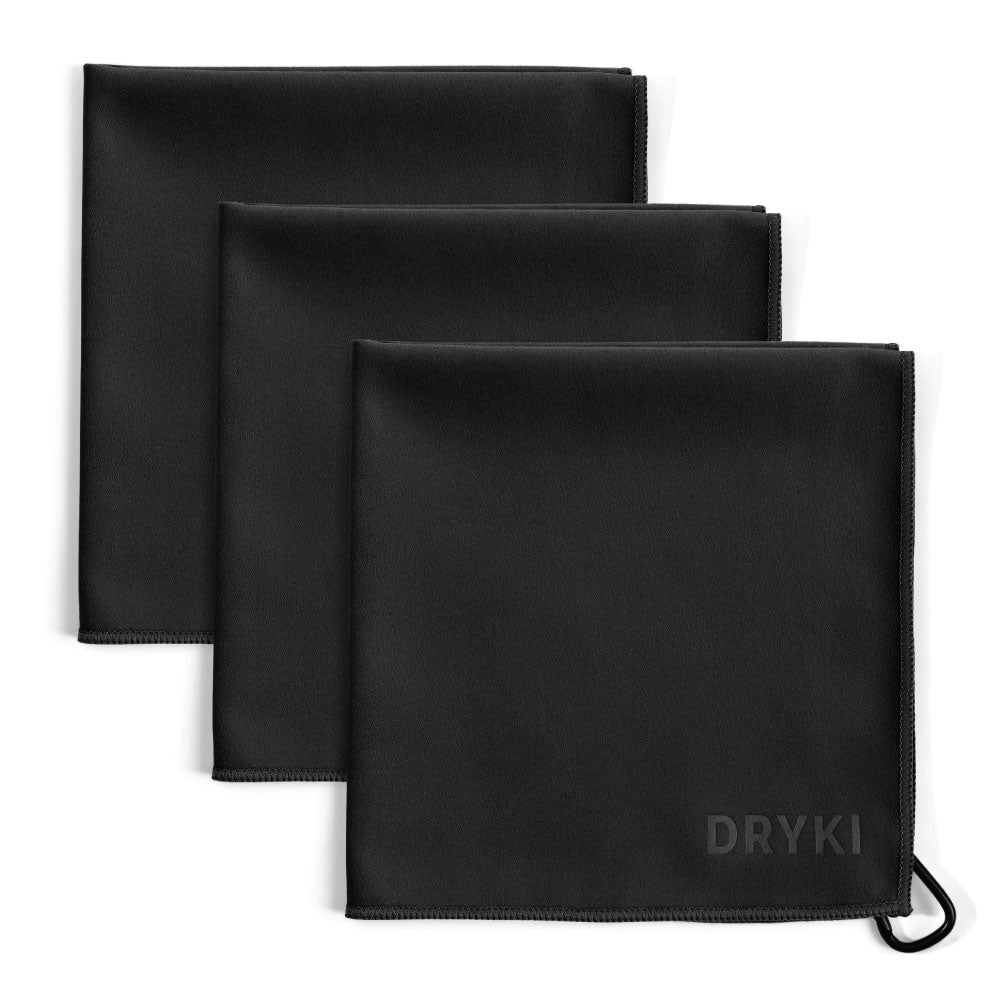
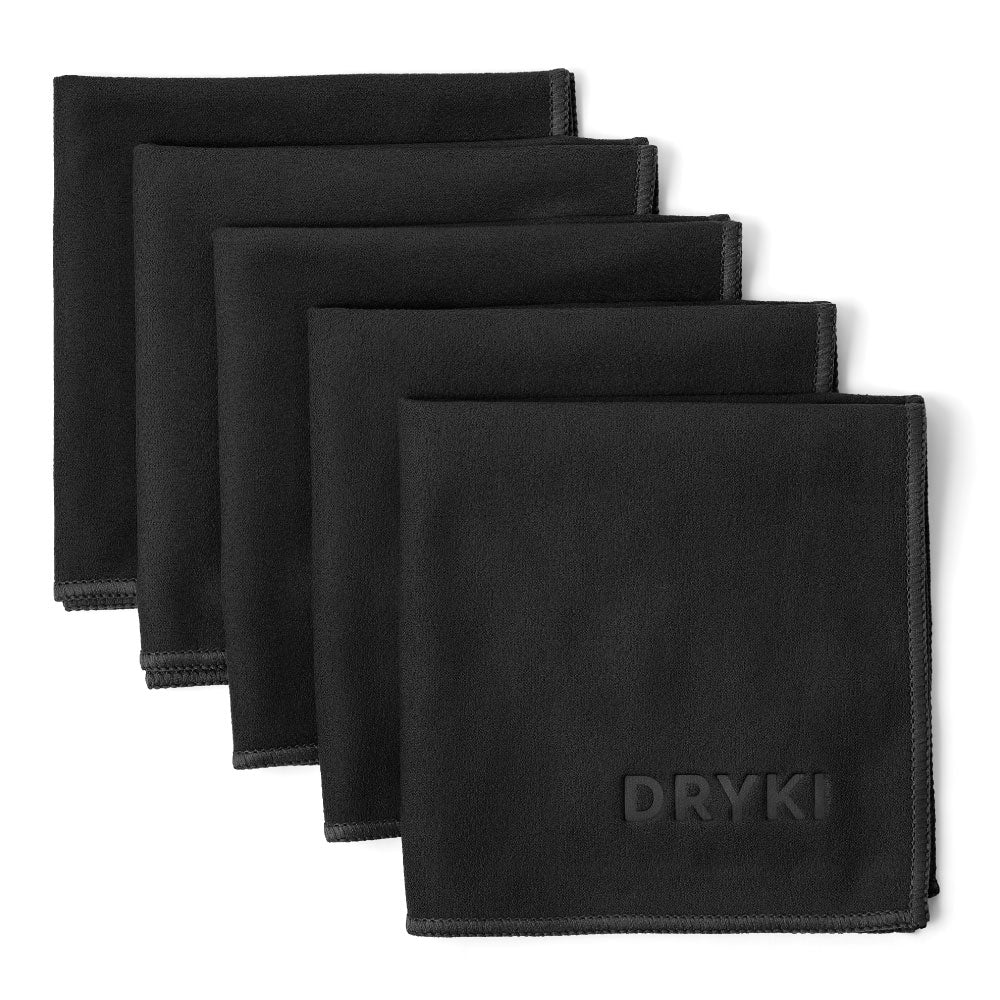
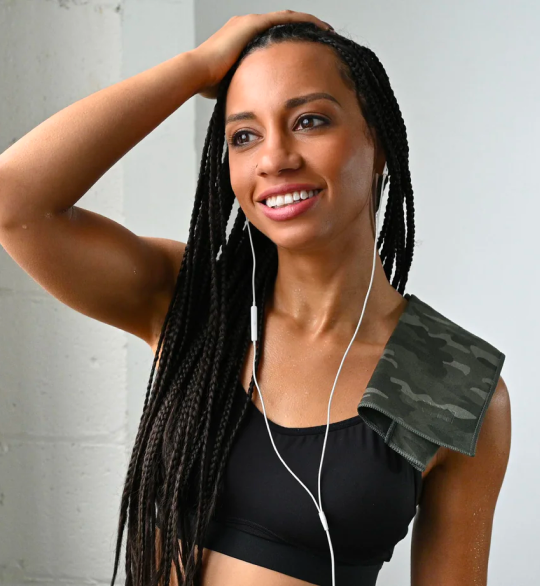
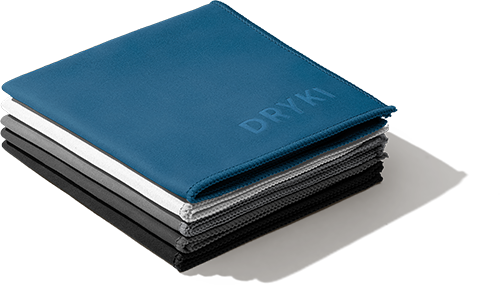
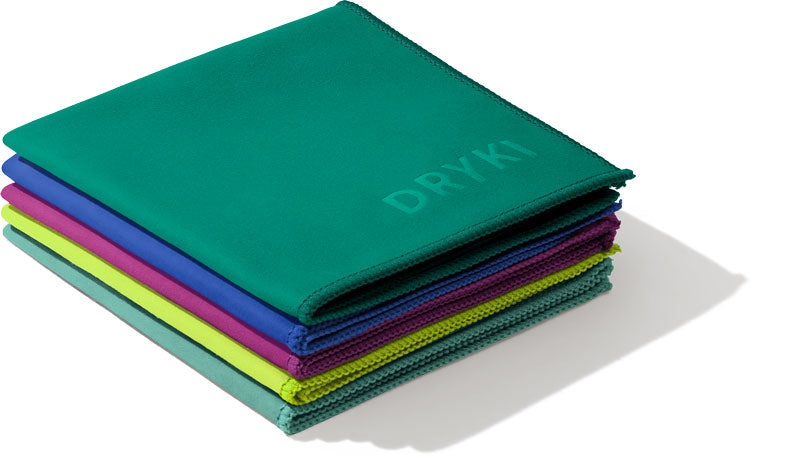
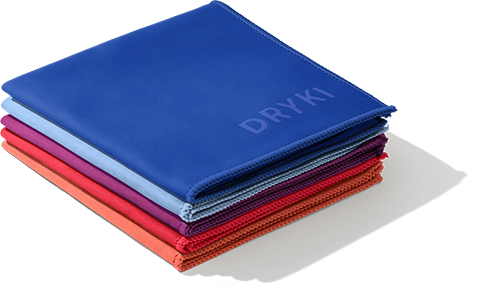
DRYKI makes pocket-sized sweat-absorbing handkerchiefs designed for blotting sweat from areas like the face, neck, hands, and body without carrying a full-size towel everywhere.
Keep one where you tend to need it most: your work bag, gym bag, car, purse, or pocket.
For people who regularly find themselves thinking, Why am I the sweaty one?, having a practical solution nearby can be much more useful than spending the entire day hoping you won't sweat.
Learn Your Own Sweat Patterns
One of the simplest things you can do is pay attention.
For a week or two, notice:
-
When you sweat the most
-
Where you sweat
-
Whether you're hot or physically active
-
Whether you're nervous or stressed
-
What you've eaten or had to drink
-
Whether the sweating happens while you're resting
-
Whether it's something you've always experienced or a recent change
You don't need to turn your life into a sweat spreadsheet.
You're simply looking for patterns.
Maybe it's mostly heat. Maybe it's stressful situations. Maybe coffee reliably makes things worse.
Knowing the trigger makes it easier to prepare.
And if you'd rather keep a solution in several places, you can also find DRYKI on Amazon for options that can stay in different bags or everyday locations.
When Is Sweating Worth Asking a Doctor About?
Being sweatier than your friend isn't, by itself, a diagnosis.
But there are situations where talking to a healthcare professional makes sense.
Mayo Clinic recommends seeing a healthcare provider if sweating disrupts your daily routine, causes significant emotional or social distress, suddenly becomes heavier than usual, or you experience unexplained night sweats.
Heavy sweating accompanied by certain symptoms can require more urgent attention. Mayo Clinic advises immediate medical care for heavy sweating accompanied by symptoms such as dizziness, chest pain, cold skin, or a rapid pulse.
Being the Sweaty One Doesn’t Mean You’re Doing Something Wrong
People sweat differently.
Sometimes the explanation is simple: one person is hotter, moving more, nervous, or particularly affected by caffeine or spicy food.
Other times, hormones, medications, genetics, hyperhidrosis, or another medical issue may be involved.
What matters is recognizing what's normal for you.
If you've always been someone who sweats easily, having a simple way to manage it can make everyday situations much less distracting.
And if your sweating suddenly changes or starts interfering with your life, don't just assume you're “a sweaty person.”
That's when it's worth asking why.
Blog posts

Sweaty Hands While Playing an Instrument? Here’s What Musicians Can Do
Why Do Some People Sweat More Than Others?
8 Back-to-School Backpack Essentials for Active Kids
 DRIES FAST. NEVER SMELLS.
 ABSORBS SWEAT AND TEARS.
 FITS IN YOUR POCKET.
Product list