
You find a shirt you love. It fits perfectly, looks great, and works with practically everything you own.
Then you wear it on a warm day and discover that it shows every drop of underarm sweat.
Suddenly, you're reconsidering the entire outfit.
If you deal with visible underarm sweat, you probably know the routine: checking your shirt in mirrors, keeping your arms close to your sides, or choosing black even when you'd rather wear something else.
But hiding sweat doesn't have to mean replacing your entire wardrobe. A few strategic changes to what you wear, how you layer, and what you keep handy can make your favorite clothes easier to wear with confidence.
1. Know Which Colors Show Sweat the Most
Some colors make moisture much more noticeable than others.
Light gray, for example, can develop obvious dark patches when it gets wet. Certain solid pastel colors can also reveal moisture quickly, depending on the fabric.
Darker shades and busy patterns may help make sweat marks less noticeable, although the results vary by material.
Before giving up on a favorite color, consider how the actual fabric looks when damp. Two shirts in the same shade can show sweat very differently.
For a more detailed breakdown, see The Best Sweat-Hiding Fabric Colors Revealed.
Quick tip: Test a small, inconspicuous area of a washable garment with a little water to see how noticeably the fabric changes color. Follow the garment's care instructions, especially for delicate materials.
2. Choose Fabrics That Work With You
When it comes to sweat, fabric matters just as much as color.
Breathable fabrics can help you feel more comfortable, particularly in warm environments. Cotton is often comfortable against the skin, although it can retain moisture once wet.
For active days, moisture-wicking fabrics may be worth considering. These materials are designed to move moisture away from the skin, but that doesn't automatically mean they'll hide visible sweat marks.
A lightweight shirt that feels comfortable during a workout might still show dampness under the arms.
The key is distinguishing between two different goals:
-
Staying comfortable: Choosing fabrics that help manage heat and moisture.
-
Hiding sweat: Choosing colors, textures, and patterns that make damp areas less obvious.
The ideal outfit does both.
3. Try an Undershirt Before Replacing Your Favorite Shirt
If a particular button-down or blouse tends to show sweat, consider what you're wearing underneath it.
A lightweight undershirt can provide an additional layer between your underarms and your outer clothing.
Some undershirts are specifically designed with absorbent underarm panels to help protect the garment worn over them.
This can be particularly useful for office clothes, dress shirts, or outfits you want to keep looking polished throughout the day.
Just remember that adding another layer may make you warmer. Choose something lightweight and comfortable rather than piling on thick clothing.
4. Consider Underarm Sweat Shields
Here's an option that doesn't require changing your outfit at all.
Underarm sweat shields, sometimes called dress shields, are designed to absorb moisture before it reaches the outer fabric.
Some attach directly to clothing, while others are built into undershirts.
They're particularly useful for garments that are difficult to wash frequently, such as certain blazers, formalwear, or delicate tops.
The American Academy of Dermatology includes underarm shields among its practical suggestions for managing excessive sweating.
Make sure the shields are compatible with your clothing and won't damage delicate fabrics or leave adhesive residue.
5. Use Antiperspirant, Not Just Deodorant
Deodorant and antiperspirant aren't the same thing.
Deodorant helps control body odor. Antiperspirant is designed to reduce sweating.
If visible underarm moisture is your main concern, an antiperspirant may be more useful than a deodorant-only product.
The American Academy of Dermatology recommends applying antiperspirant to completely dry skin, often before bedtime, depending on the product and individual needs.
Follow the label directions, and if you experience irritation or need stronger treatment, speak with a dermatologist.
This is one of the few changes that can address the amount of sweat itself rather than simply making the marks less visible.
6. Pay Attention to How Your Clothes Fit
A shirt that's very tight under the arms may feel uncomfortable when you begin sweating, especially if the fabric doesn't breathe well.
On the other hand, you don't necessarily need to wear oversized clothing to hide sweat.
Look for a fit that allows comfortable movement without excessive bunching or tightness around the underarms.
For dress shirts, blouses, and fitted tops, small tailoring adjustments may help you achieve a comfortable fit without changing your overall style.
The goal isn't to hide inside your clothes. It's to wear them comfortably.
7. Use Patterns and Texture Strategically
Solid colors aren't your only option.
Prints, checks, textured fabrics, and certain patterns can make changes in moisture less visually obvious than a smooth, solid-colored shirt.
That doesn't mean every patterned shirt is sweat-proof.
But if you're shopping for something new, it's worth comparing how different fabrics and patterns look rather than automatically choosing the darkest available option.
You might discover that a favorite printed shirt is surprisingly forgiving on warmer days.
8. Keep a Small Sweat Towel for Your Face, Neck, and Hands
Underarm sweat may be your biggest concern, but it often isn't the only place you sweat.
A warm commute, stressful meeting, or crowded event can also leave your forehead, neck, and hands damp.
Instead of wiping sweat onto your sleeves or clothing, keep a personal towel nearby.
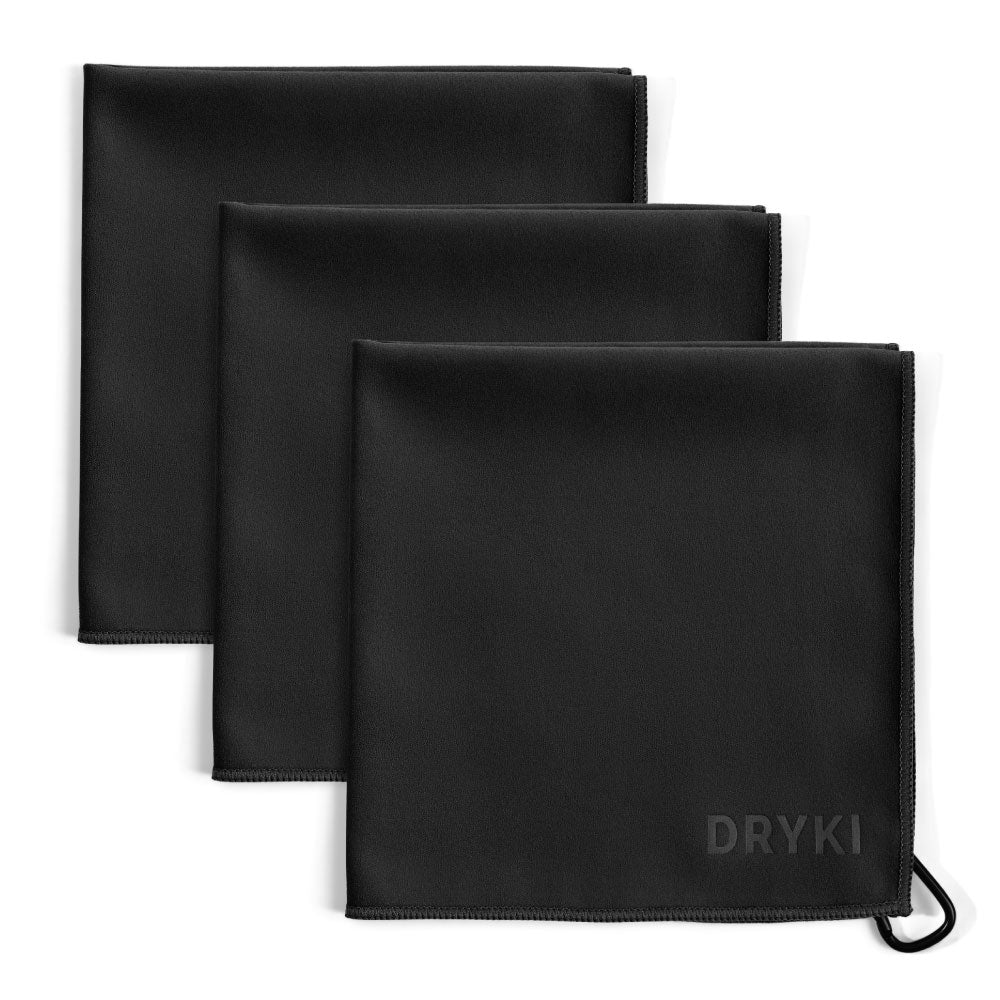
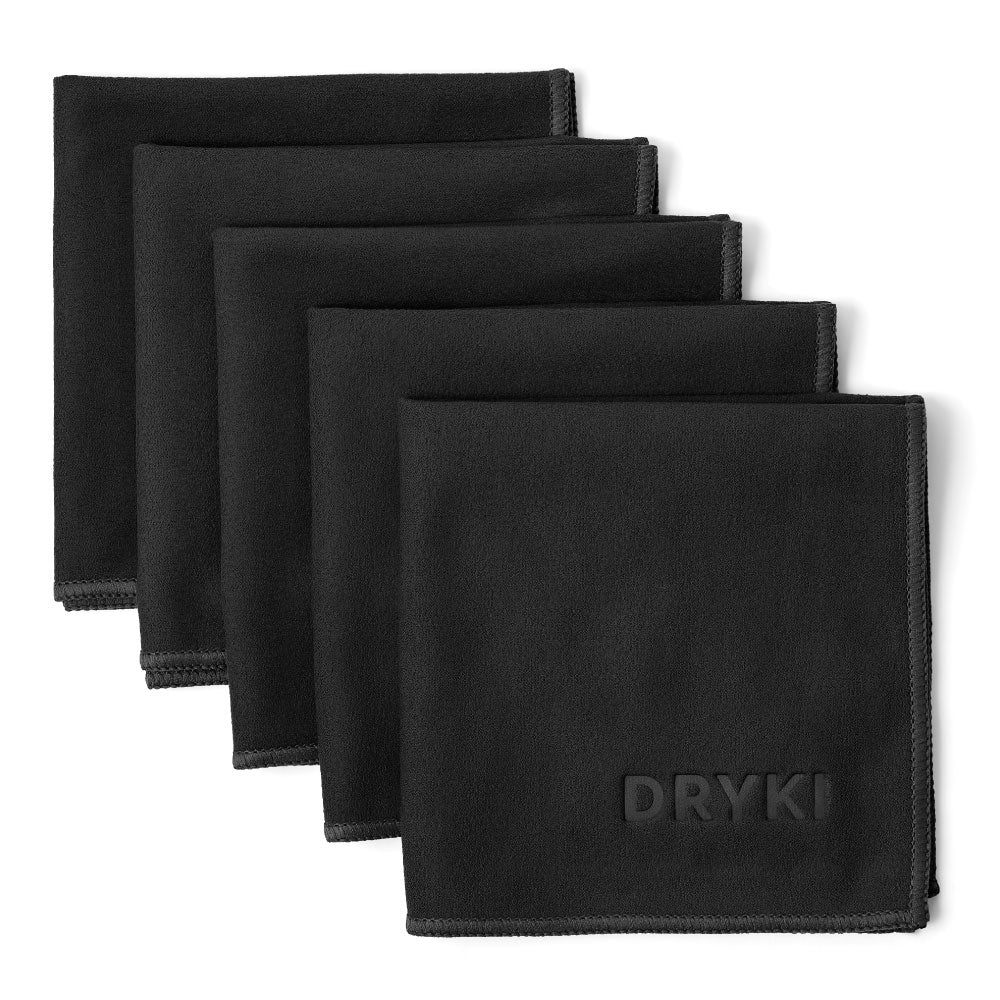
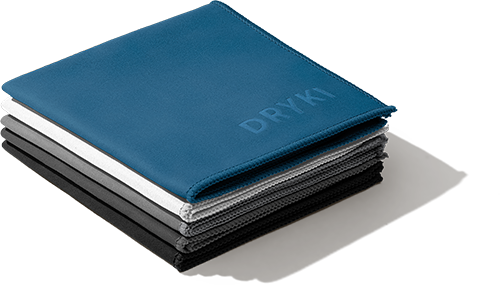
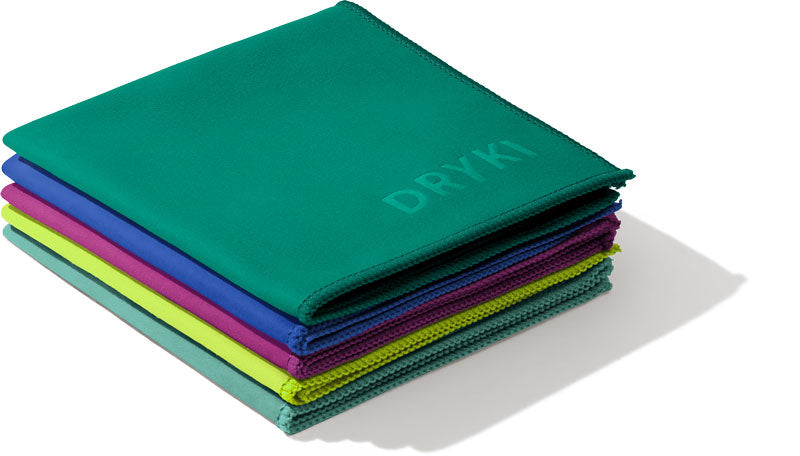
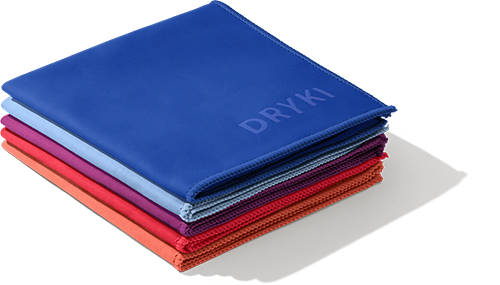
DRYKI's pocket-sized sweat-absorbing handkerchiefs measure 10 × 10 inches and can fit into a pocket, purse, or work bag.
They're useful for blotting sweat from your face, neck, and hands without using your outfit as a towel.
A sweat towel won't stop underarm perspiration or prevent sweat marks by itself. That's where antiperspirants, undershirts, and dress shields can help.
But having something handy for other sweaty areas can make your overall routine more comfortable.
9. Build a Quick Refresh Routine
Sometimes sweat happens despite your best preparation.
Instead of spending the day worrying about it, have a simple plan.
If you notice you're getting warm, move somewhere cooler when possible. Remove an unnecessary layer. Blot sweat from your face or neck. Give yourself a moment before rushing into your next activity.
If you're wearing an outfit that tends to show underarm moisture, a spare undershirt or top at work can also be useful for particularly sweaty days.
A compact DRYKI sweat towel can stay in your everyday bag, so you don't have to remember to pack it every morning.
Small preparations can make sweat feel like a manageable inconvenience rather than something that controls your schedule.
10. Know When Excessive Sweating Deserves Extra Attention
Sweating is normal, especially when you're hot, active, or nervous.
But if your underarms regularly soak through clothing even when you're cool and resting, you may be dealing with excessive sweating, also called hyperhidrosis.
A dermatologist can help assess the problem and discuss treatment options.
You don't have to rely entirely on clothing tricks if sweating is significantly affecting your daily life.
You Don't Need a Completely New Wardrobe
Having sweaty underarms doesn't mean you need to abandon your favorite colors, stop wearing fitted clothing, or buy an entirely new collection of shirts.
Start with small changes.
Understand which fabrics and colors show moisture. Try a lightweight undershirt or underarm shields. Use an appropriate antiperspirant. Keep something nearby for sweat on your face, neck, and hands.
Sometimes a few simple ways to manage sweat can make your existing wardrobe feel much more wearable.
Your clothes should work for your life, not the other way around.
Blog posts
How to Hide Underarm Sweat Without Changing Your Entire Wardrobe
You don't need a new wardrobe to deal with underarm sweat. Learn how to make sweat marks less noticeable with smarter clothing choices and everyday solutions.

The Best Gear for Sweat-Free Streaming Sessions
Long streaming sessions can get surprisingly sweaty. Discover practical gear upgrades for keeping your hands dry, your setup comfortable, and your stream running smoothly.
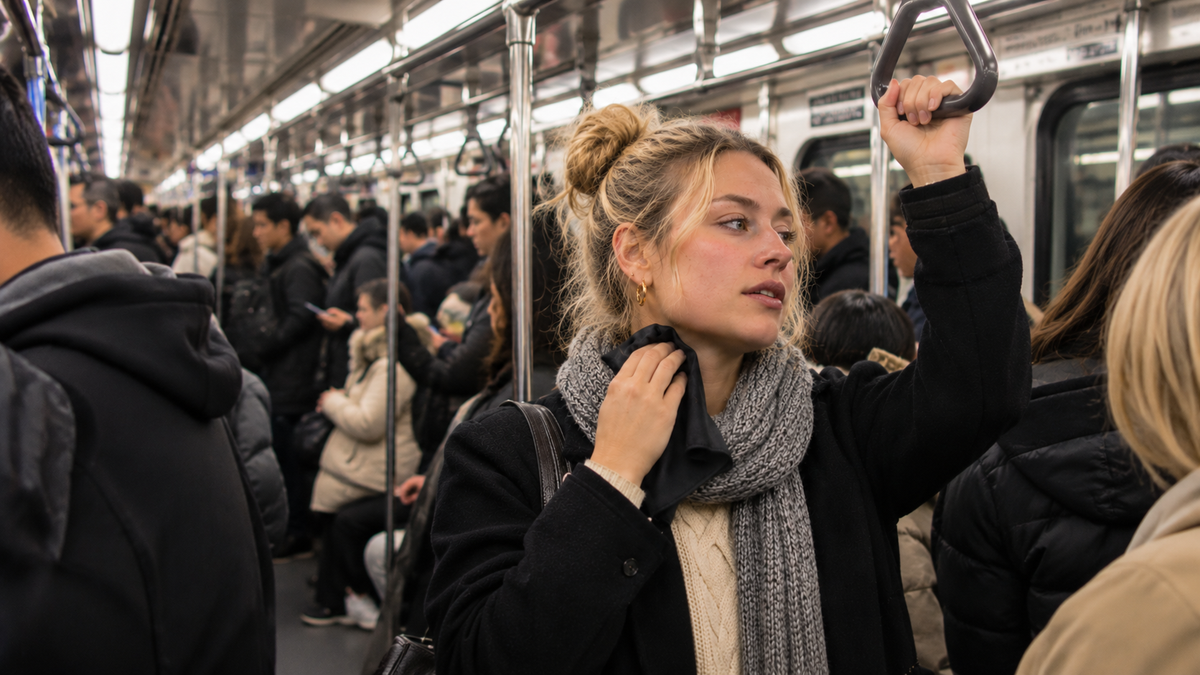
How to Arrive at Work Looking Fresh After a Sweaty Commute
Cold outside, overheated on the train? Here are practical ways to manage winter layers, commute sweat, and arrive at work feeling fresh.
 DRIES FAST. NEVER SMELLS.
 ABSORBS SWEAT AND TEARS.
 FITS IN YOUR POCKET.
Product list