
It's cold outside, so you leave home bundled in a coat, sweater, scarf, and whatever else winter requires.
Then you walk into a heated subway station, squeeze onto a crowded train, climb a few flights of stairs, and suddenly you're sweating underneath all those layers.
By the time you reach work, the problem isn't staying warm anymore. It's figuring out how to look like you didn't just complete a small workout on the way to your desk.
Winter commuting can create an awkward combination of cold outdoor temperatures, heavy clothing, physical activity, and heated indoor spaces. Sweat is part of the body's temperature-regulation system, so when you become too warm, your body may start sweating to help cool you down.
The trick isn't trying to guarantee a completely sweat-free commute. It's making those temperature changes easier to manage and giving yourself a quick way to recover once you arrive.
1. Dress for Two Temperatures, Not One
One of the biggest winter commuting mistakes is dressing only for the temperature outside.
Yes, you need to stay warm while walking to the station or waiting for the bus. But unless your office also happens to be 35°F, you'll eventually have to deal with a completely different environment.
Layers make that transition easier.
Instead of relying on one extremely heavy piece of clothing, wear layers you can remove as your environment changes. A coat over lighter layers gives you more control when you move between the street, subway, bus, lobby, elevator, and office.
If you regularly arrive sweaty, pay attention to which layers are actually necessary throughout your commute and which ones are turning into portable saunas the second you step indoors.
2. Start Removing Layers Before You're Already Sweating
Don't wait until you're overheating.
When you enter a warm subway station, train, bus, or building, loosen your scarf or unzip your coat if you can do so comfortably. If you're going to be indoors for a while, remove an outer layer when practical.
This is especially helpful when your commute involves walking first and public transportation second. Your body may already be warm from the walk before you enter the heated space.
Once you're visibly sweating, you're managing the aftermath. Adjusting your layers earlier may help you stay more comfortable in the first place.
3. Choose Your Work Clothes With Sweat in Mind
Your commute doesn't have to dictate your entire wardrobe, but if you sweat easily, some clothes are more forgiving than others.
Breathable fabrics can help you stay comfortable, while the color and pattern of your clothing can affect how noticeable moisture becomes.
If sweat marks are your biggest concern, think strategically about what you wear underneath your winter layers. Darker colors, prints, and certain fabric choices can make moisture less obvious than colors that show every drop.
For a deeper dive, check out our guides to the best sweat-hiding fabric colors and the best clothes and fabrics for minimizing sweat embarrassment.
You can still dress like yourself. The goal is simply to stop giving your commute an unfair advantage.
4. Keep Your Sweat Solution Somewhere You Can Actually Reach It
If your forehead starts sweating on the subway and your sweat towel is buried at the bottom of a packed work bag, it isn't particularly useful.
Keep something small within easy reach.
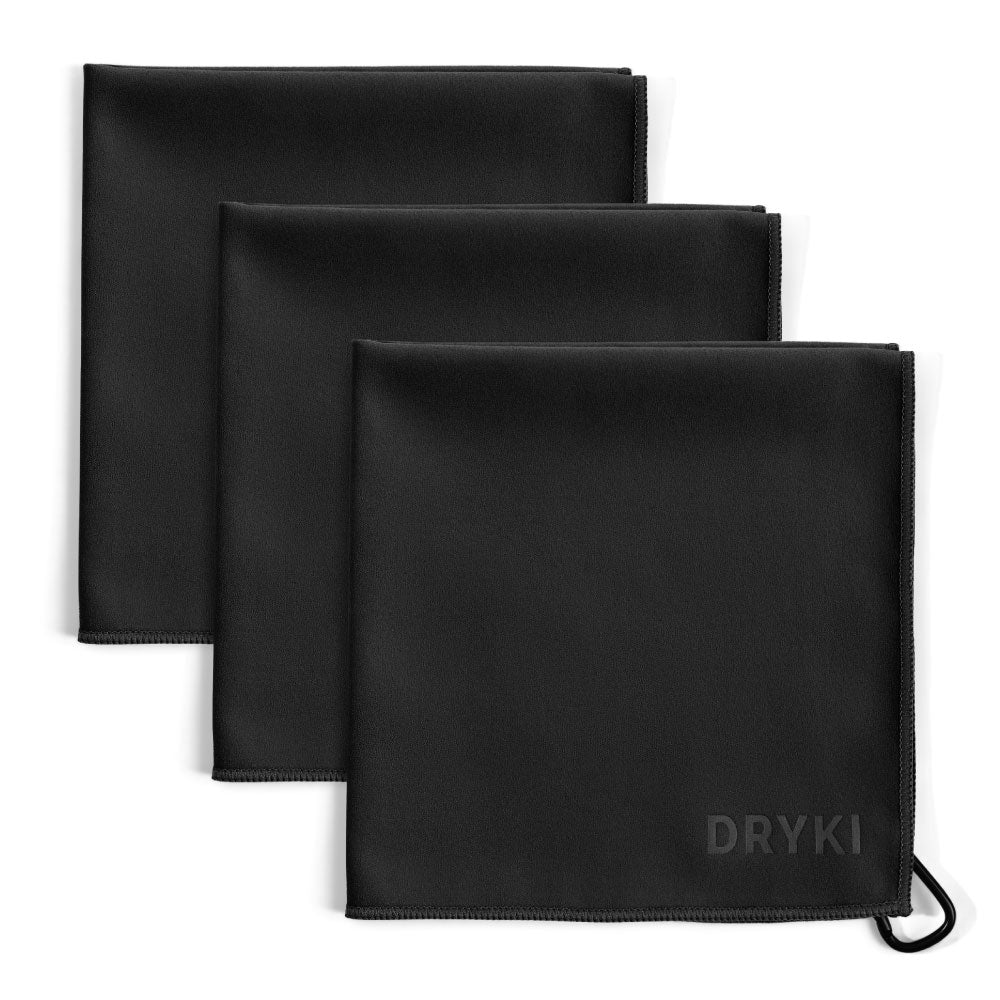
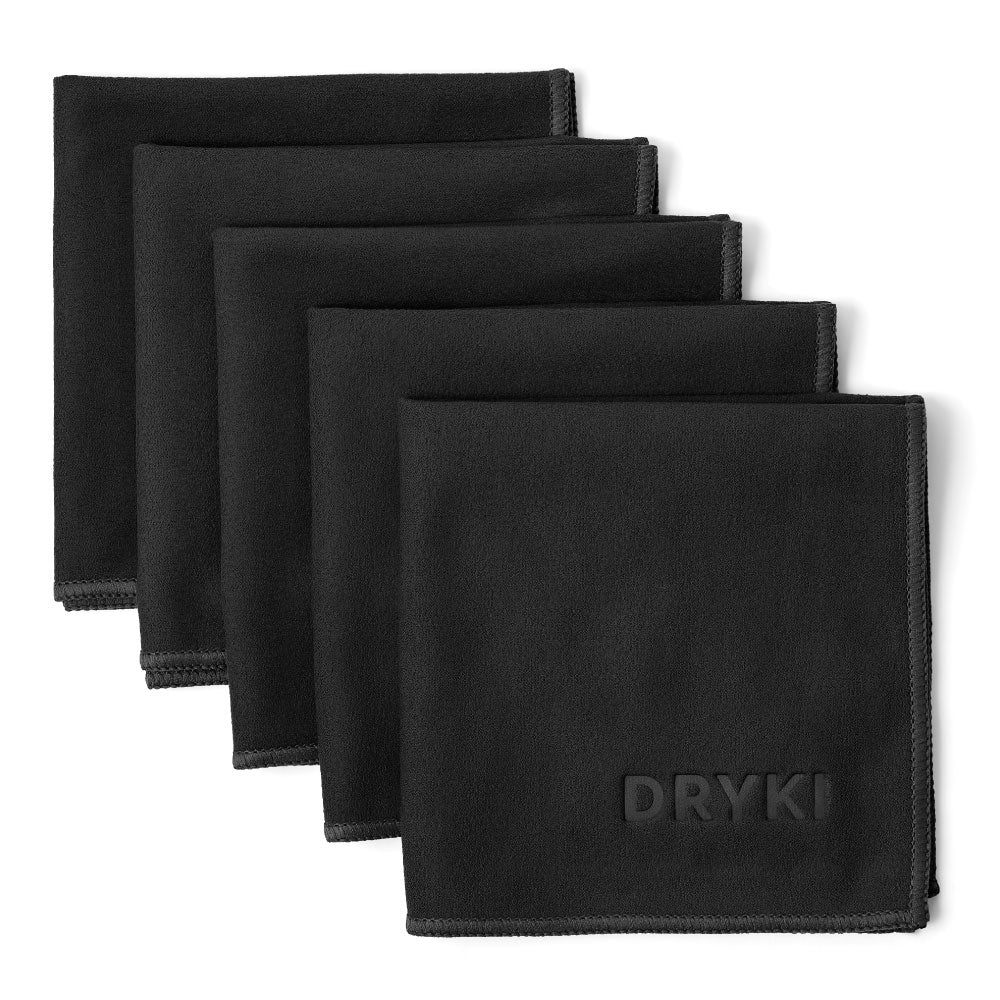
A pocket-sized sweat towel from DRYKI is 10 × 10 inches, so it can fit into a coat pocket, pants pocket, purse, or accessible compartment of a work bag.
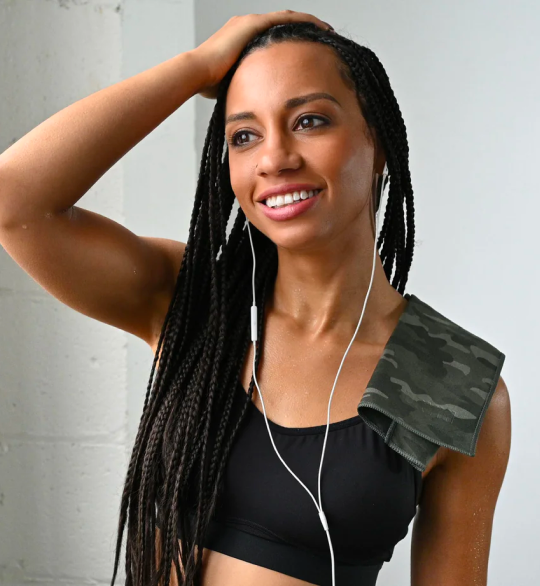
Use it to blot your forehead, face, neck, or hands during the commute rather than wiping sweat onto your sleeve or waiting until you reach the office restroom.
5. Slow Down for the Last Few Minutes
Sometimes the commute itself isn't the entire problem.
It's the final sprint.
You realize you're running late, speed-walk three blocks, rush up the station stairs, hurry through the lobby, and arrive at your desk exactly on time but considerably warmer than you'd planned.
When possible, leave enough time that the last five minutes of your commute don't become cardio.
Even a slightly slower final stretch can give your body a chance to settle before you walk into work.
6. Give Yourself an Arrival Reset
You don't need an elaborate office freshening-up routine.
A few minutes can be enough.
Take off your coat and scarf. Put your bag down. Blot any sweat from your forehead, face, neck, or hands. Fix your hair if needed. Take a drink of water. Give yourself a moment to cool down before immediately jumping into the next thing.
If you're particularly prone to arriving sweaty, keep a small refresh kit at work with whatever you personally use most: deodorant or antiperspirant, a comb, basic grooming items, and a clean sweat towel.
The goal is to make the reset routine enough that you don't have to think about it every morning.
7. Pay Attention to Your Hands
Sweaty hands are easy to overlook until your first interaction of the day involves someone else.
Maybe you're shaking hands with a client. Maybe you're handing paperwork to a coworker. Maybe you're immediately opening your laptop and don't want damp palms all over the keyboard.
Before walking into a meeting or settling at your desk, quickly dry your hands if needed.
It's a tiny step, but it can help you feel more composed when switching from commute mode to work mode.
8. Keep a Backup Option for Particularly Sweaty Days
Some commutes are worse than others.
The train is delayed. The bus is packed. The heat is blasting. You had to run. The weather changed halfway through your trip.
If your job requires you to look particularly polished, keeping a backup shirt at work can be worthwhile.
You probably won't need it most days.
But on the day you do, it'll suddenly seem like one of the smartest things you've ever put in a desk drawer.
The Goal Isn't to Never Sweat
Sweating is one of the ways your body regulates its temperature. When your body gets too warm, sweat helps cool you as it evaporates.
That means the combination of walking, winter layers, crowded transportation, and heated indoor spaces can understandably leave some commuters feeling sweaty even when it's freezing outside.
Instead of fighting the fact that you sweat, prepare for the transition.
Dress in adjustable layers. Remove them before you overheat. Choose clothes that don't make you worry about every sweat mark. Keep a simple solution for sweat within reach. Give yourself a couple of minutes to reset once you arrive.
The goal isn't to walk into work looking like you've never produced a sweat gland in your life.
It's to arrive comfortable, composed, and ready to start your day.
Blog posts

How to Hide Underarm Sweat Without Changing Your Entire Wardrobe
You don't need a new wardrobe to deal with underarm sweat. Learn how to make sweat marks less noticeable with smarter clothing choices and everyday solutions.

The Best Gear for Sweat-Free Streaming Sessions
Long streaming sessions can get surprisingly sweaty. Discover practical gear upgrades for keeping your hands dry, your setup comfortable, and your stream running smoothly.
How to Arrive at Work Looking Fresh After a Sweaty Commute
Cold outside, overheated on the train? Here are practical ways to manage winter layers, commute sweat, and arrive at work feeling fresh.
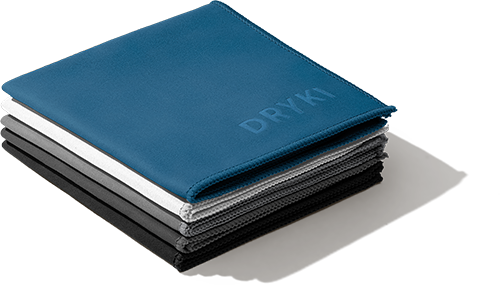 DRIES FAST. NEVER SMELLS.
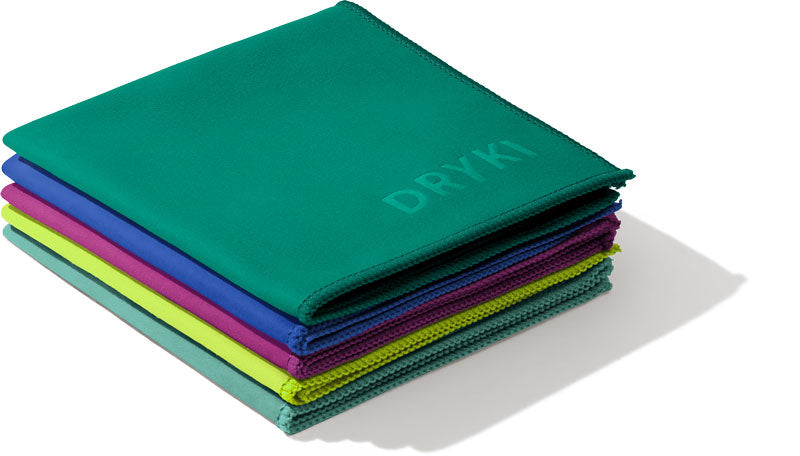 ABSORBS SWEAT AND TEARS.
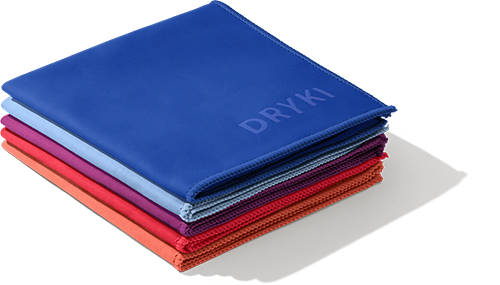 FITS IN YOUR POCKET.
Product list