Design & Developed by APPWRK

FREE US SHIPPING ON ALL ORDERS OVER $25

Beyond pencils and notebooks, these back-to-school backpack essentials can help active kids stay comfortable, organized, hydrated, and ready for busy school days.

Pencils? Check. Notebooks? Check. Backpack that will somehow contain three mysterious rocks by the end of September? Probably.

The standard back-to-school supply list covers what kids need in the classroom, but active kids often need a few extras to stay comfortable throughout the rest of their day. Recess, PE, sports practice, field trips, warm walks home, and after-school activities can turn an ordinary school day into a surprisingly active one.

The trick isn't packing their backpack with every possible just-in-case item. It's choosing a handful of useful essentials that solve the little problems that tend to pop up again and again.

If you're wondering what else belongs in your child's backpack this school year, these eight practical additions are worth considering.

1. A Reusable Water Bottle

A water bottle deserves a permanent place in any active kid's backpack.

Between PE, recess, outdoor activities, and after-school sports, having water easily available makes it much simpler for kids to drink throughout a busy day.

Look for something durable, easy for your child to open independently, and unlikely to turn the math homework at the bottom of the bag into papier-mâché.

The YETI Rambler Jr. Kids Water Bottle, for example, is made specifically with kids in mind and is designed for everyday adventures.

A useful habit for younger kids is filling the bottle the night before and putting it beside the backpack. That's one less thing to remember during the morning rush.

And before buying the largest bottle available, remember that your child has to carry it. A manageable bottle they actually bring with them is more useful than an enormous one that makes their backpack feel like hiking equipment.

2. A Pocket-Sized Sweat Towel

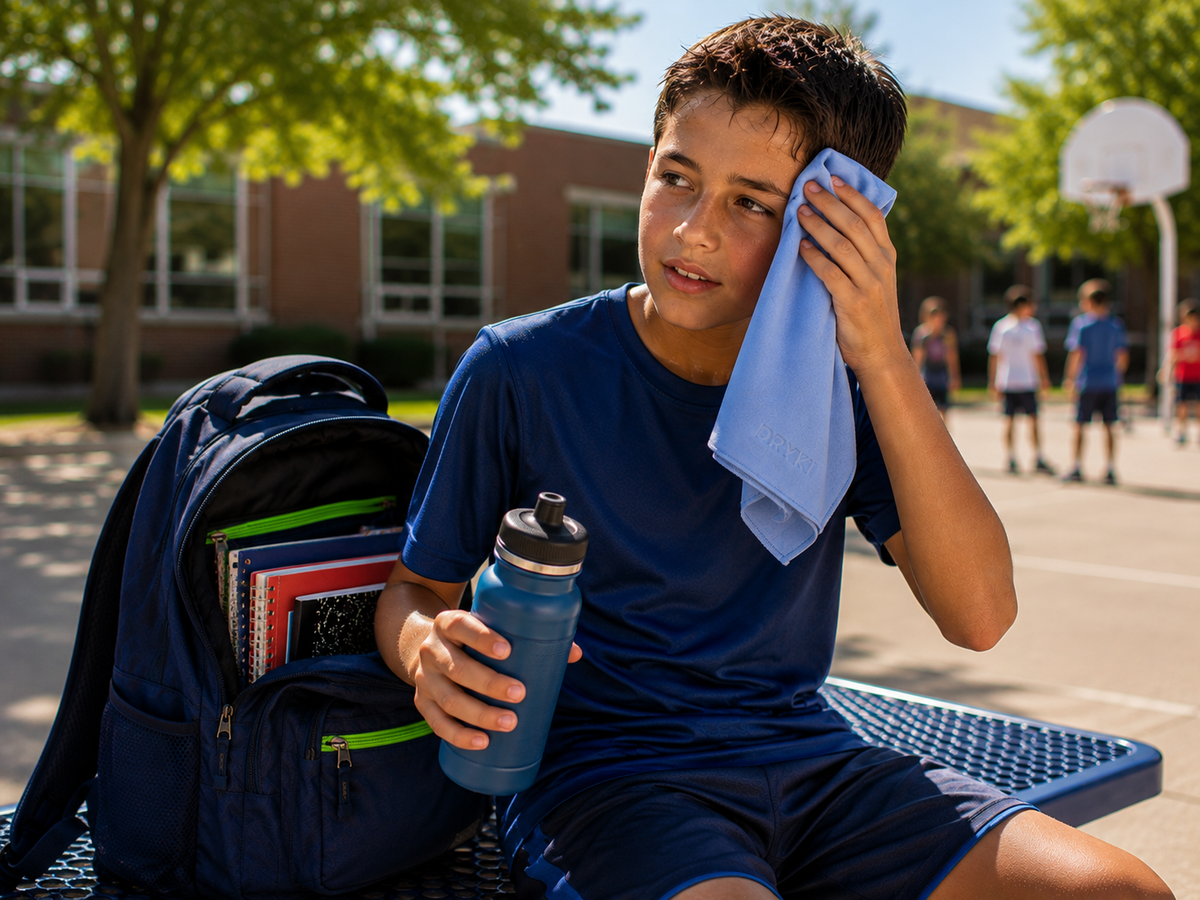
Kids can go from sitting quietly in class to sprinting around the playground surprisingly fast. When they come back inside sweaty, their options are usually tissues, paper towels, their shirt sleeve, or simply staying damp.

A small dedicated sweat towel gives them a better option without taking up the space of a full-size towel.

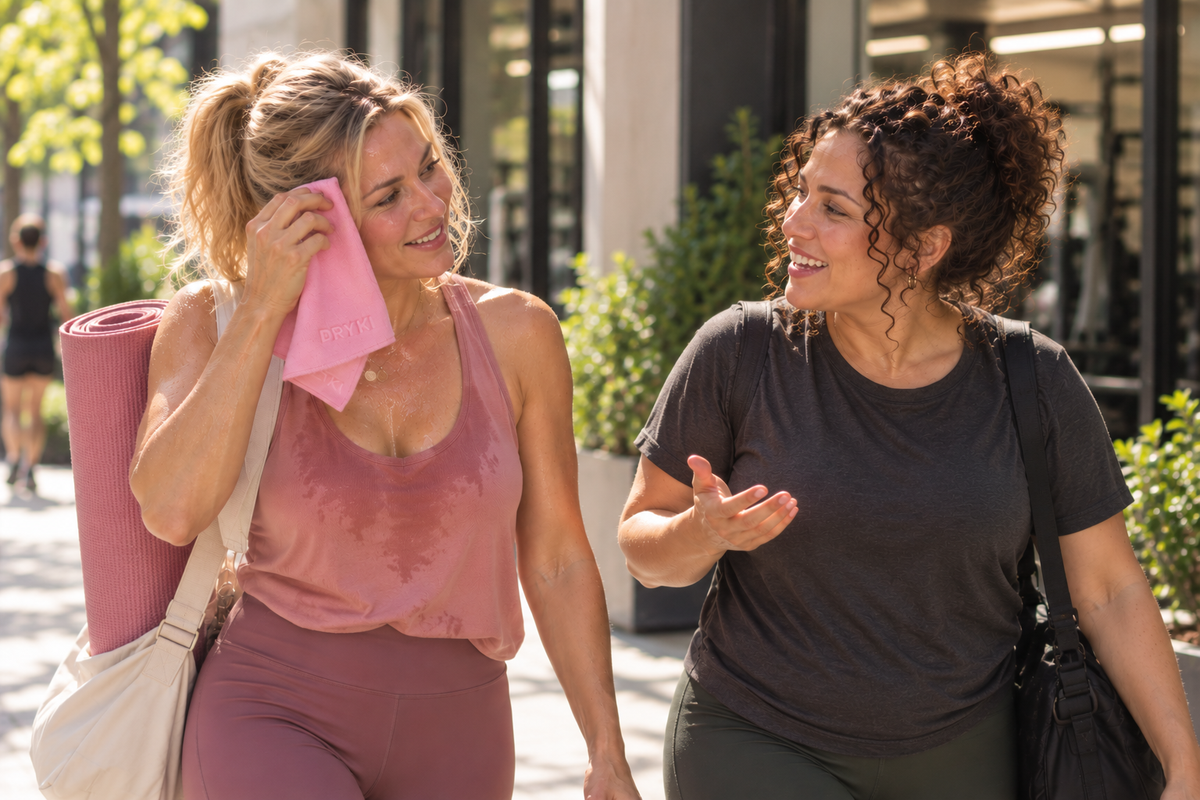
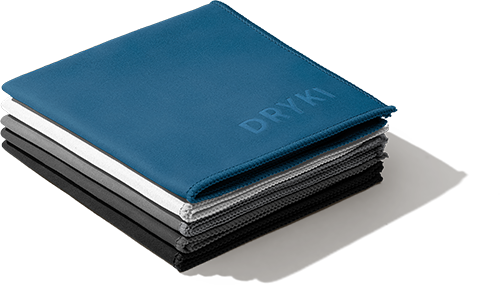
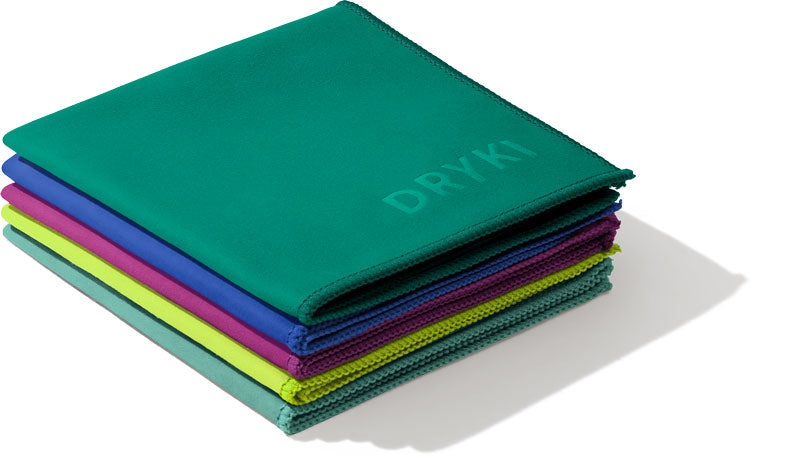
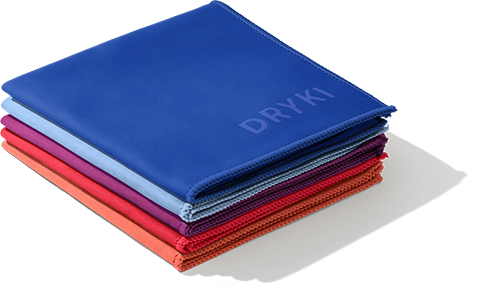
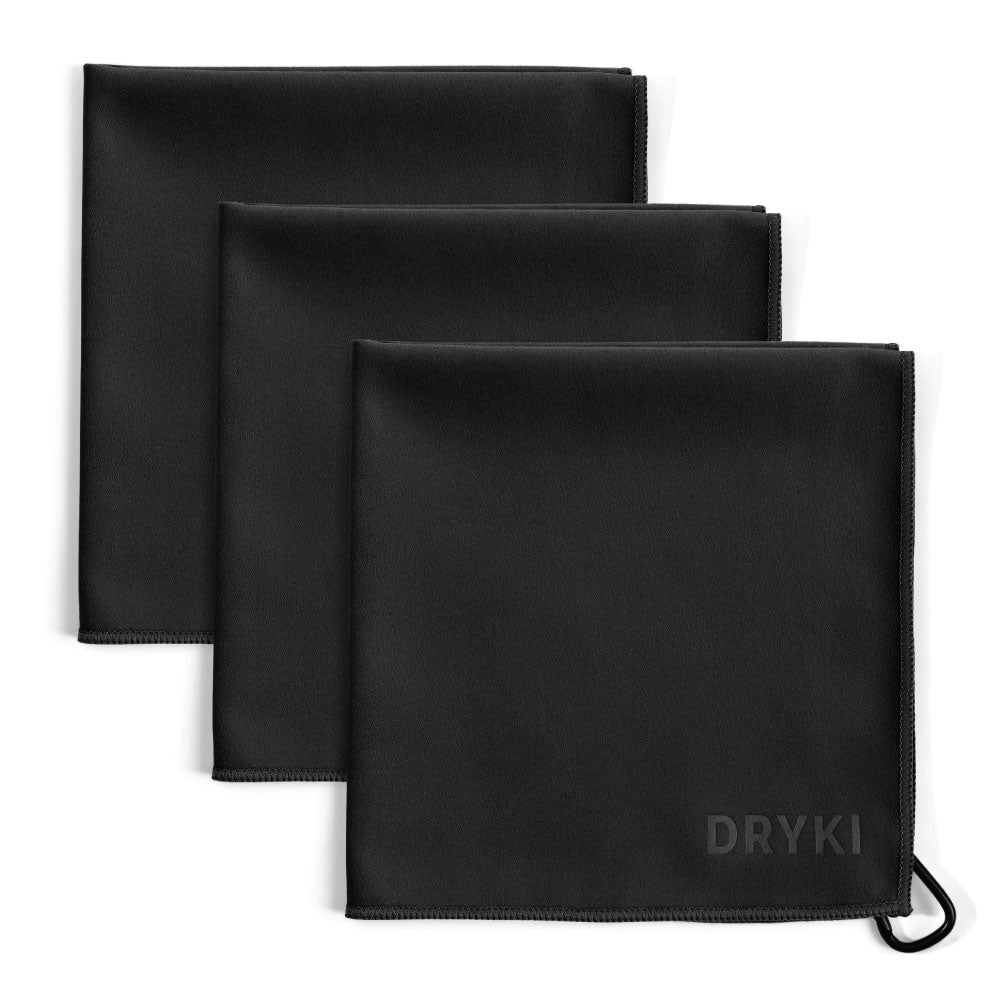
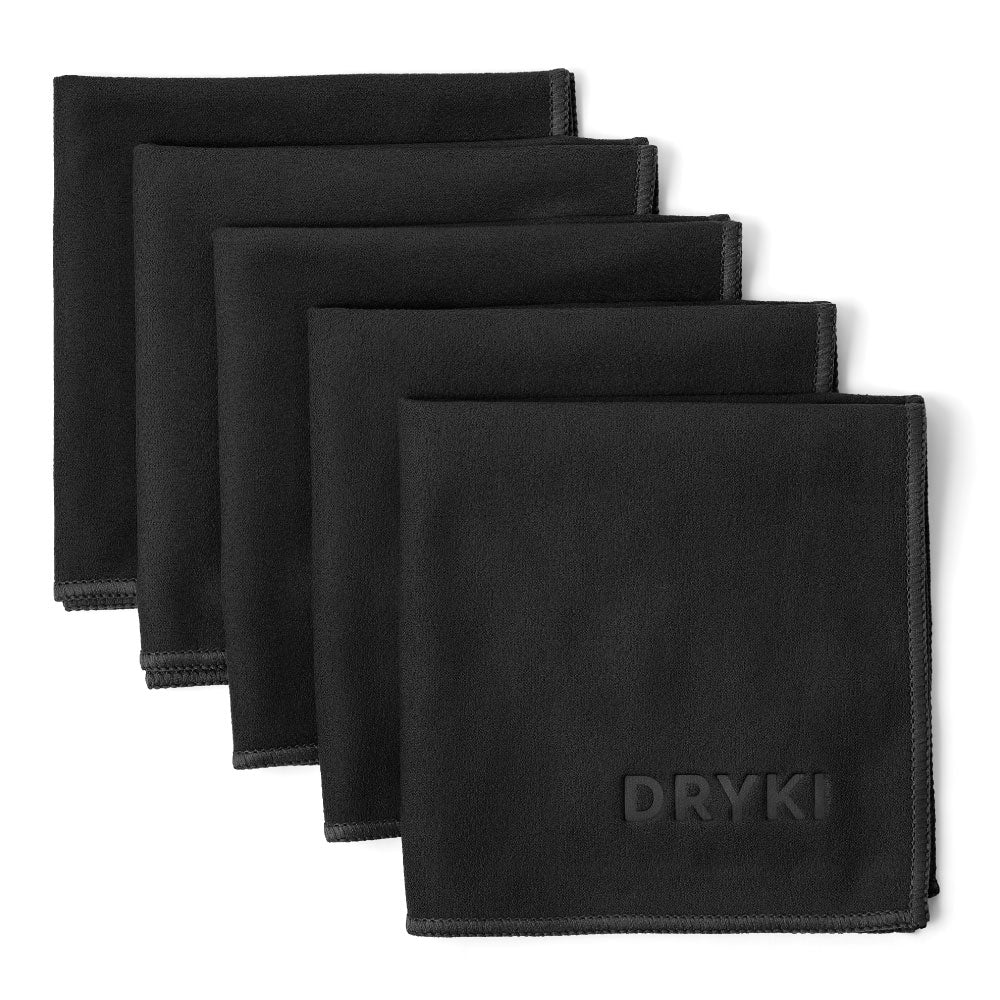
For this exact problem, DRYKI makes pocket-sized sweat-absorbing handkerchiefs that measure just 10 × 10 inches, making them small enough to keep in a backpack pocket or take along to PE and after-school sports.

They're especially practical for kids who tend to get sweaty around their face, forehead, neck, or hands. Instead of searching for a paper towel every time they come in from outside, they have something reusable that's specifically there when they need it.

For younger kids, give the towel a specific “home” in their backpack. A side or front pocket is much easier to remember than expecting them to dig through folders, pencil cases, and lunch containers whenever they need it.

It's a small addition, but sometimes the simplest solutions to everyday sweat are the ones that become surprisingly useful.

3. A Small Snack for the Gap Between School and Practice

For kids heading directly from school to soccer, dance, tennis, tutoring, or another activity, the hours between lunch and getting home can feel very long.

Keeping a shelf-stable snack in an appropriate backpack compartment can make that transition easier if school rules allow it.

The important part is choosing something your child already likes rather than using a busy school day to debut an experimental health snack they'll quietly carry around until December.

Think about practicality, too. Choose something that won't easily melt, leak, crumble into every corner of the backpack, or require utensils to eat.

Always check your school's allergy and food policies before packing snacks, particularly if they'll be eaten around other children.

4. A Change of Socks

This one isn't glamorous, but neither are damp socks at 1:30 p.m.

An extra pair takes up almost no room and can be useful after PE, rainy recess, spilled water, muddy fields, or an especially active day.

For kids who have sports practice immediately after school, fresh socks can also make changing into athletic shoes much more comfortable.

Place the clean pair inside a small resealable or washable pouch so they stay dry until they're needed. The same pouch can hold the worn pair afterward, keeping them away from notebooks, lunch containers, and everything else in the backpack.

It's one of those items that may sit untouched for weeks, but the first time it's needed, it'll earn its permanent spot.

5. Sunscreen for Outdoor Activities

School doesn't always mean sitting behind a desk.

Recess, PE classes, sports, field trips, and outdoor clubs can add up to plenty of time outside, particularly during the warmer weeks at the beginning of the school year.

The American Academy of Dermatology recommends sun protection for children outdoors, including protective clothing, shade, and sunscreen where appropriate.

Whether sunscreen can be kept or reapplied at school varies, so check your school's rules and your child's needs rather than simply putting a bottle in their backpack.

For longer outdoor days, a hat and lightweight sun-protective clothing may also be worth considering.

And if sunscreen does go in the backpack, make sure the cap is secure. Sunscreen is considerably less helpful when it has moisturized an entire folder of homework.

6. A Mini “Just in Case” Pouch

Instead of scattering small essentials throughout the backpack, put them together in one lightweight zip pouch.

Depending on your child's age, needs, and school rules, it might contain:

  • Bandages
  • Tissues
  • Hair ties
  • Lip balm
  • A spare face mask if your family uses them
  • Emergency contact information
  • Other parent-approved everyday essentials

This isn't intended to replace the school nurse or a proper first-aid kit. It's simply a home for the tiny things kids frequently need and frequently lose.

There is another benefit: it makes restocking easier. Instead of searching through every pocket on Sunday night, you can pull out one pouch, see what's missing, and put it back.

For younger children, keep the contents simple. If they don't know what an item is for or when they're allowed to use it, it probably doesn't need to travel to school every day.

7. A Bag for Damp or Dirty Gear

If your child has PE, sports, swimming, art projects, or messy outdoor activities, add a lightweight washable bag for anything you don't want mixing with notebooks and lunch containers.

Wet clothes and dirty shoes become considerably less annoying when they have somewhere specific to go.

A waterproof or water-resistant pouch can also help contain damp gear until your child gets home. Just remember to unpack it at the end of the day rather than letting sweaty clothes establish permanent residency inside the backpack.

For kids who change for sports after school, you can take this idea one step further: pack the clean sports gear inside the bag in the morning. After practice, the same bag becomes the designated place for everything dirty.

It's much easier to tell a child, “Put the dirty clothes in this bag,” than “Please somehow maintain a clean/dirty organizational system inside your backpack.”

We know how that one ends.

8. A Backpack Identification Tag

Backpacks have an impressive ability to look identical when twenty of them are sitting against the same classroom wall.

A luggage-style tag, distinctive keychain, patch, or another easy visual identifier can help kids recognize theirs quickly. This can be especially useful when several classmates happen to own the same popular backpack.

Letting your child choose the identifier can also make it easier for them to remember what to look for.

For privacy, avoid displaying unnecessary personal information prominently on the outside of the bag. Follow your school's recommendations for labeling belongings and decide what information is appropriate for your child's age.

You can also label frequently misplaced items inside the backpack, such as the lunch box, water bottle, and jacket. Back-to-school preparation becomes much easier when “lost” doesn't automatically mean “gone forever.”

Pack for Your Kid's Real School Day

The most useful school backpack isn't necessarily the one packed with the most things. It's the one prepared for the situations your child actually encounters.

Start with the supplies required by their school, then mentally walk through the rest of their day.

Do they have PE? Spend recess outside? Walk home in warm weather? Head directly to sports practice? Regularly come home with wet socks or a shirt that's been used as an emergency sweat towel?

Those patterns tell you much more about what belongs in the backpack than a universal checklist ever could.

A reusable water bottle, spare socks, pocket-sized sweat towel, snack, or small pouch may not appear on the official school-supply list, but they're exactly the kinds of little additions that can make an active school day more comfortable.

The goal isn't to prepare for every possible scenario. It's to make sure your child has a few simple tools for the situations that happen all the time.


DRIES FAST. NEVER SMELLS. ABSORBS SWEAT AND TEARS. FITS IN YOUR POCKET.

Product list

Customer reviews