
You take one bite of something spicy.
Your mouth is on fire. Your forehead starts sweating. Your nose is running. The person across from you appears completely fine.
Rude.
If you've ever wondered why spicy food can make you sweat even when the restaurant itself isn't particularly warm, there's a real explanation for it.
And no, sweating through a plate of hot wings doesn't necessarily mean you can't handle spicy food. Your body is responding to the chemical compounds responsible for some of that heat.
Capsaicin Is Behind the Heat in Chili Peppers
The key player is capsaicin, a naturally occurring compound found in chili peppers.
Capsaicin is responsible for the fiery sensation you get from foods containing peppers such as jalapeños, cayenne peppers, and habaneros.
Interestingly, the pepper isn't literally heating your mouth to a dangerously high temperature. Instead, capsaicin interacts with receptors involved in sensing heat.
That helps explain why your body's reaction can look surprisingly similar to what happens when you're physically hot: you may feel flushed and start sweating.
You can read more about capsaicin and how it affects the body through Cleveland Clinic.
Why Does Your Forehead Sweat When You Eat Spicy Food?
Sweating is one of your body's cooling mechanisms.
When your nervous system receives signals associated with heat, sweat glands can kick into action. That's useful when you're running on a hot day.
A mouthful of chili can set off some of those same responses.
That's why a spicy meal may leave you with beads of sweat across your forehead, upper lip, scalp, or face even though you haven't moved from your chair.
Cleveland Clinic includes spicy foods among the everyday things that can trigger increased perspiration.
Why Does Spicy Food Make Your Nose Run, Too?
The sweaty forehead often comes with another classic spicy-food side effect: the suddenly runny nose.
This is related, but it isn't exactly the same thing as sweating.
Spicy foods can trigger gustatory rhinitis, a type of nonallergic rhinitis. According to Cleveland Clinic's guide to gustatory rhinitis, heat or spices can stimulate nerves in the nose and lead to symptoms such as a runny nose, congestion, watery eyes, or sneezing.
So if one particularly ambitious spoonful of hot sauce leaves you simultaneously sweating and reaching for a tissue, your body has more than one response happening.
Why Do Some People Sweat More Than Others?
Put two people in front of the same spicy curry and you may get completely different reactions.
One person is happily asking for extra chili.
The other looks like they've just completed a cardio workout.
How much you sweat varies from person to person, and spicy food is only one potential trigger. Temperature, physical activity, stress, caffeine, medications, and individual differences in sweating can all play a role.
Some people also have hyperhidrosis, which causes excessive sweating beyond what's needed to cool the body. The American Academy of Dermatology notes that spicy foods can be a trigger for people with hyperhidrosis and recommends identifying individual triggers when managing the condition.
In other words, the spice level isn't the only variable. The person eating it matters too.
How to Deal With Sweat While Eating Spicy Food
If you love spicy food, “simply never eat anything spicy again” isn't particularly useful advice.
You can instead make the experience a little easier to manage.
Keep Something for Sweat Nearby
A restaurant napkin technically works, but repeatedly wiping a sweaty forehead with one can leave you with a rapidly disintegrating pile of paper beside your plate.
A small reusable sweat towel is another option.
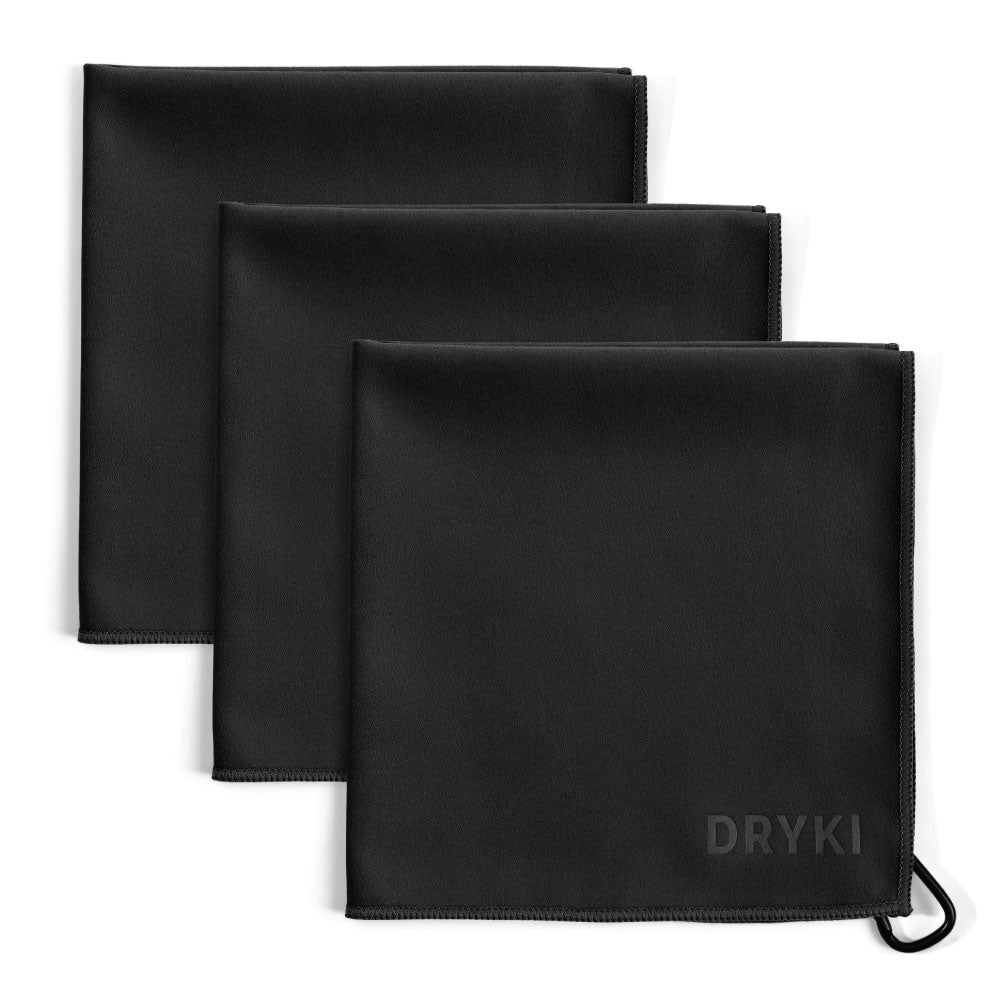
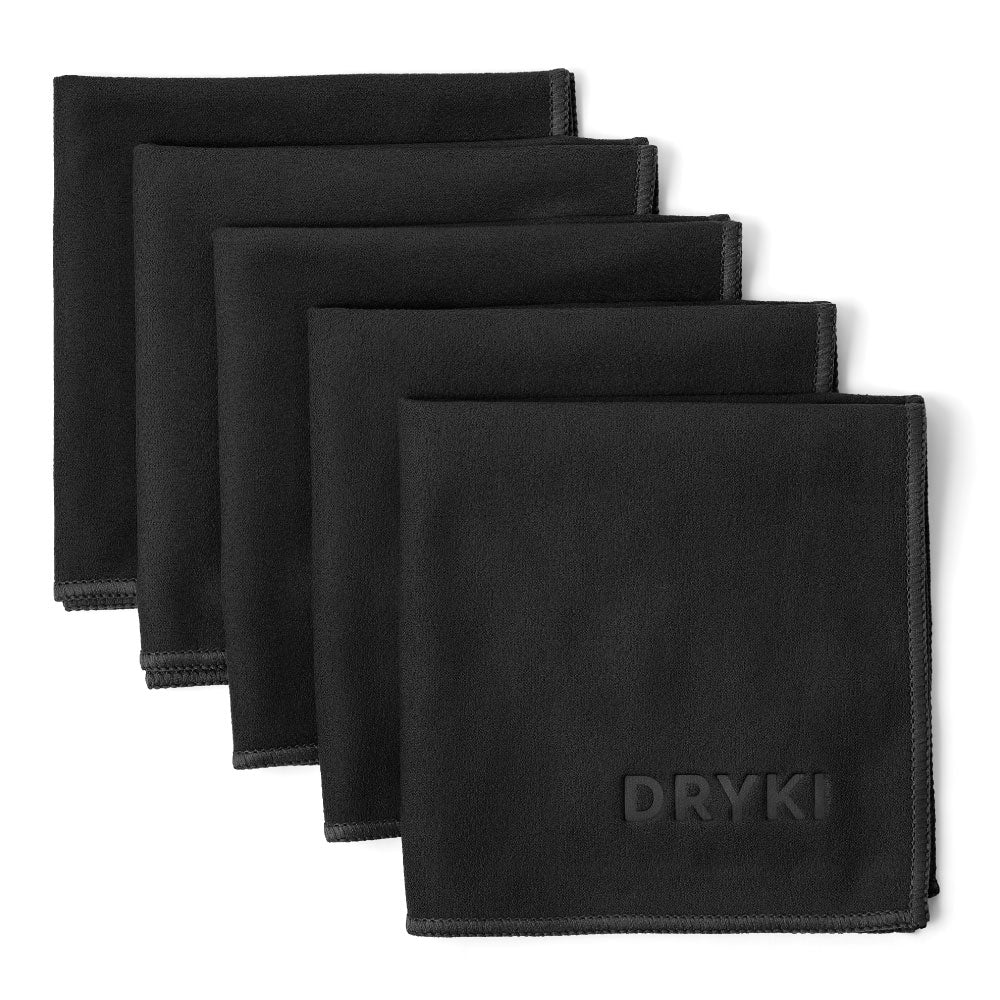
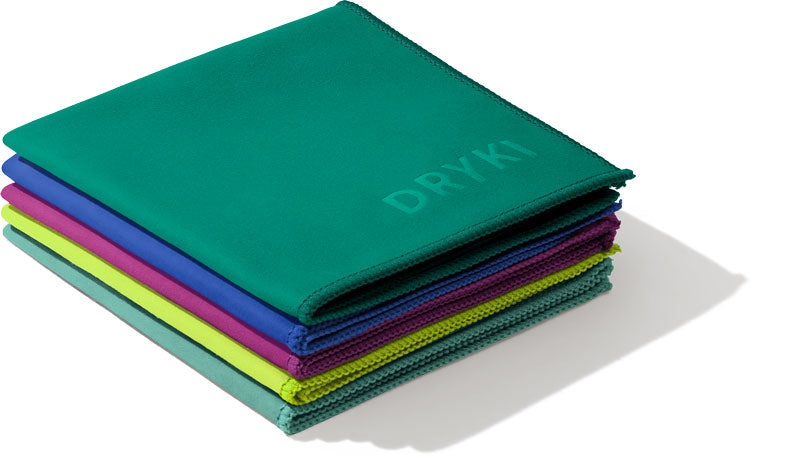
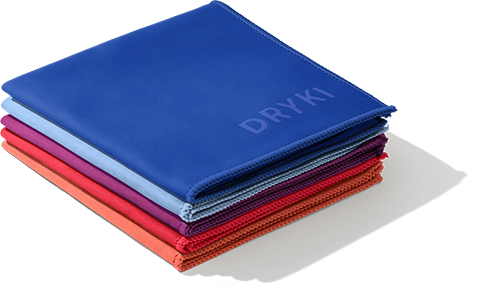
DRYKI makes pocket-sized sweat-absorbing handkerchiefs that measure 10 × 10 inches, making one easy to keep in a pocket, purse, work bag, or backpack.
Instead of aggressively wiping your face, blot the sweat as needed.
It's especially handy when the food is delicious enough that stopping isn't really under consideration.
Figure Out Your Personal Sweat Triggers
Spicy food may not be acting alone.
Caffeine and alcohol can also contribute to sweating in some people, and both can easily show up alongside a meal.
If you consistently notice excessive sweating while eating, pay attention to what you're having rather than assuming every spicy ingredient affects you equally.
Maybe jalapeños barely register but a certain hot sauce gets you every time.
Knowing your triggers gives you the option to adjust when sweating would be particularly inconvenient, like during a date, business lunch, or event.
Choose Your Seat Strategically
This is decidedly low-tech, but useful.
If you already know a spicy meal makes you hot, sitting outside in direct sun isn't going to improve matters.
When you have the choice, pick a cooler spot, avoid sitting directly beside a heat source, or choose outdoor shade.
You don't need to engineer the restaurant's entire climate. You're simply avoiding adding environmental heat to the heat sensation you're already creating with your meal.
Blot Before the Sweat Starts Traveling
If you're someone whose forehead starts sweating noticeably while eating spicy food, deal with it early rather than waiting until sweat is running down your face.
Keep your DRYKI sweat handkerchief or another clean absorbent cloth within reach and blot periodically.
This can be especially useful if you're eating somewhere where you want to stay relatively polished, whether that's a date, lunch meeting, or dinner event.
Sometimes staying comfortable around sweat is less about preventing every drop and more about having a simple way to handle it when it happens.
What If You Sweat Whenever You Eat?
There's an important distinction between getting a sweaty forehead after eating an extremely spicy bowl of noodles and experiencing significant sweating whenever you eat.
Food-related excessive sweating is sometimes called gustatory sweating or gustatory hyperhidrosis.
The International Hyperhidrosis Society explains that some people experience excessive facial or neck sweating when eating many types of food, or even while thinking about food. In some cases, this can be associated with nerve damage or surgery involving the parotid gland.
If your sweating seems excessive, happens with foods that aren't spicy, suddenly changes, or interferes with everyday life, it's worth discussing it with a healthcare professional rather than assuming you simply have an unusually dramatic reaction to dinner.
You can learn more through the International Hyperhidrosis Society's guide to gustatory sweating.
So, Why Does Spicy Food Make You Sweat?
It isn't because your tacos have secretly raised the restaurant temperature.
Compounds such as capsaicin produce the sensation of heat, and your body can respond with familiar cooling reactions, including sweating.
For most people, a little forehead sweat during a particularly spicy meal is simply part of the experience.
Know your triggers. Keep something absorbent nearby if you need it. Choose the spice level you actually enjoy.
And if you're halfway through the hottest thing on the menu while insisting, “It's really not that spicy,” as sweat rolls down your forehead?
We believe you.
Blog posts

Sweaty Hands While Playing an Instrument? Here’s What Musicians Can Do

Why Do Some People Sweat More Than Others?
8 Back-to-School Backpack Essentials for Active Kids
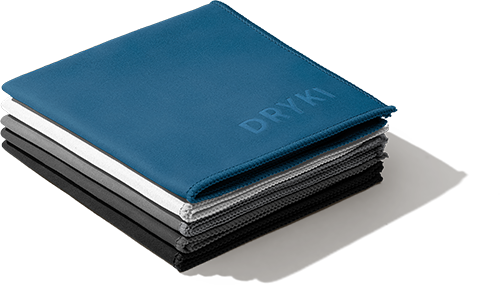 DRIES FAST. NEVER SMELLS.
 ABSORBS SWEAT AND TEARS.
 FITS IN YOUR POCKET.
Product list