
Playing an instrument already asks a lot from your hands.
Then add sweaty palms.
Suddenly, your guitar neck feels different, your drumsticks don't feel quite as secure, or you're constantly thinking about moisture on your hands instead of the music you're supposed to be playing.
Sweaty hands can show up during long practice sessions, hot performances, outdoor gigs, or simply because you're nervous before going onstage.
If this sounds familiar, there are a few practical ways to make it less distracting.
Why Do Your Hands Get Sweaty When You Play Music?
There isn't one explanation that applies to every musician.
Sometimes it's simply hot. Stage lighting, outdoor performances, crowded venues, physical movement, and warm rehearsal spaces can all raise your body temperature.
But your palms can also sweat in response to stress, nerves, or excitement. Cleveland Clinic explains that emotional sweating commonly affects areas including the palms, forehead, underarms, and feet.
That means you don't have to be jumping around a stage to end up with sweaty hands.
A difficult piece, an audition, a solo, or the knowledge that a room full of people is about to watch you play may be enough.
1. Keep a Dedicated Sweat Towel Within Reach
If sweaty hands are predictable, don't wait until you're in the middle of a song to figure out what to do with them.
Keep something absorbent nearby during practice and performances.
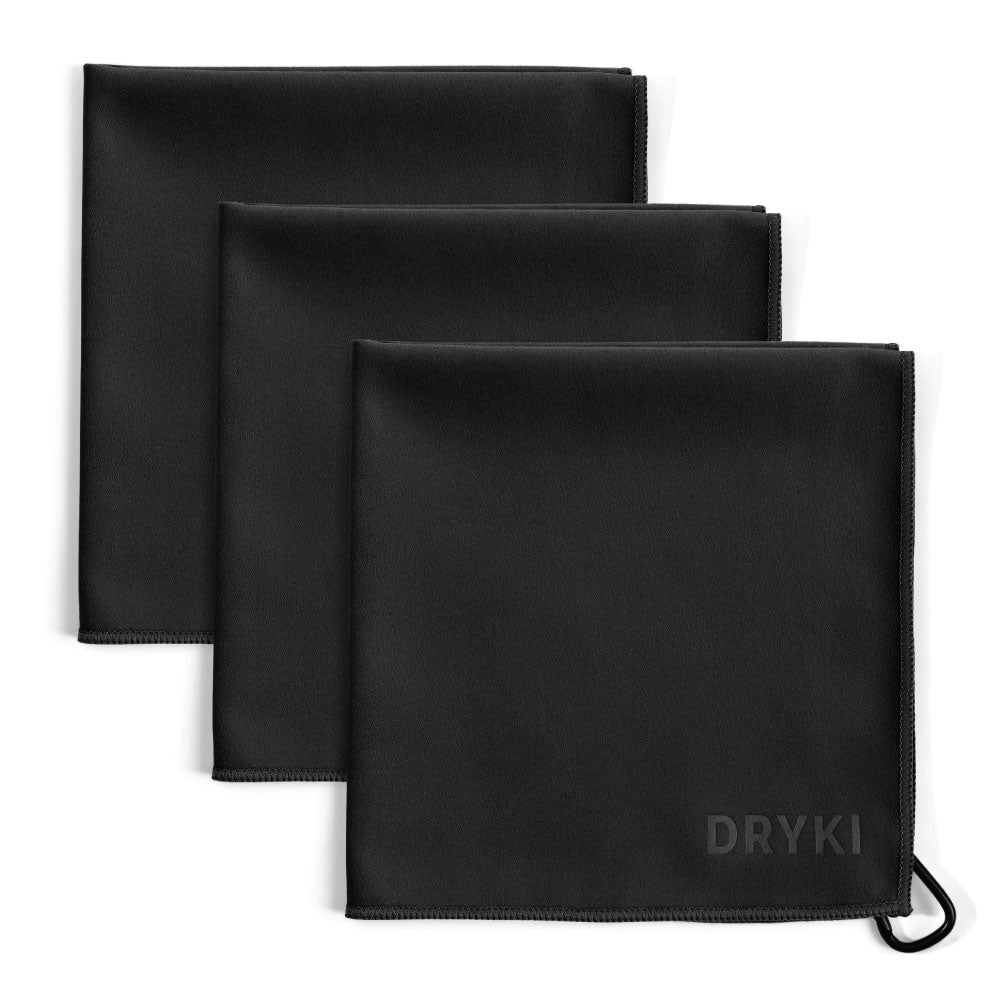
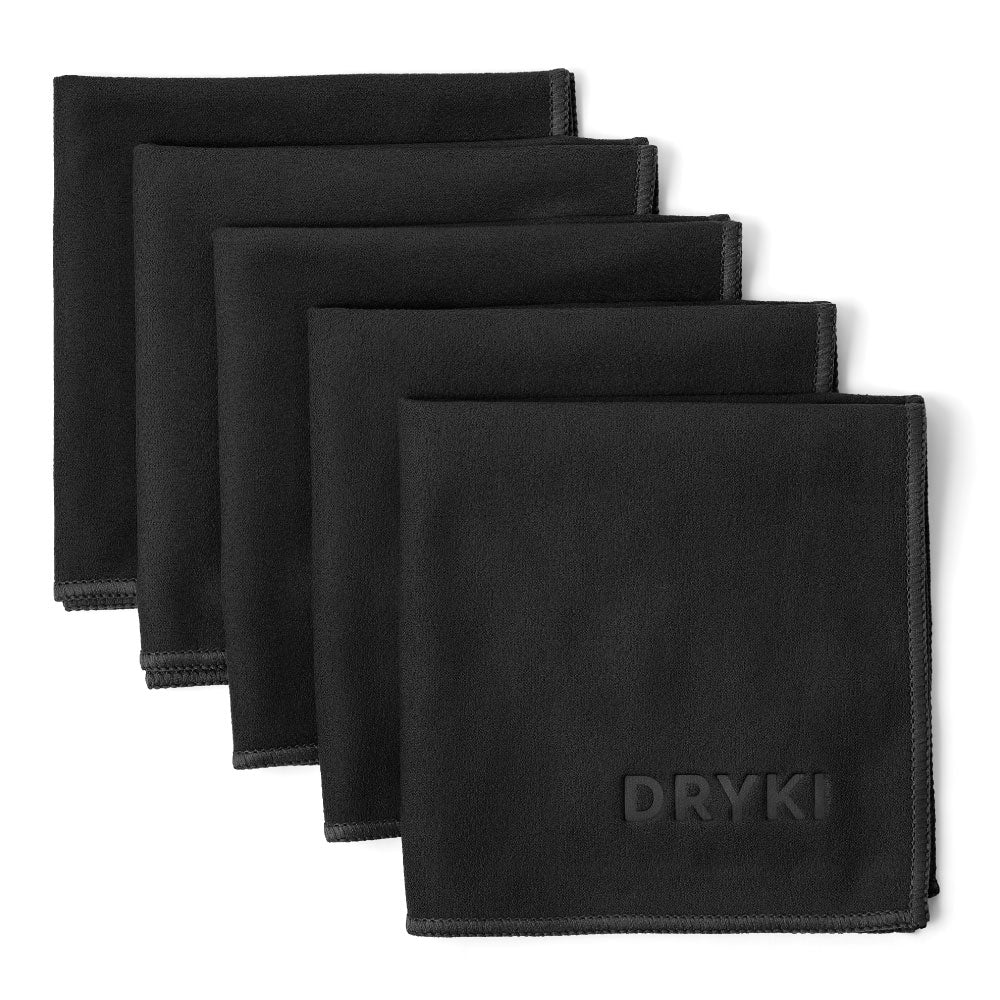
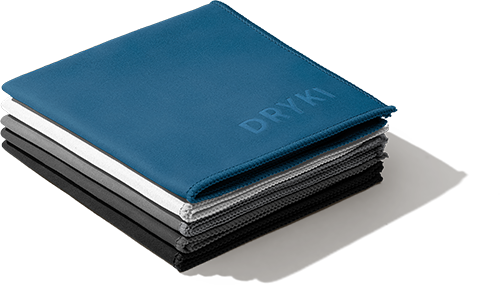
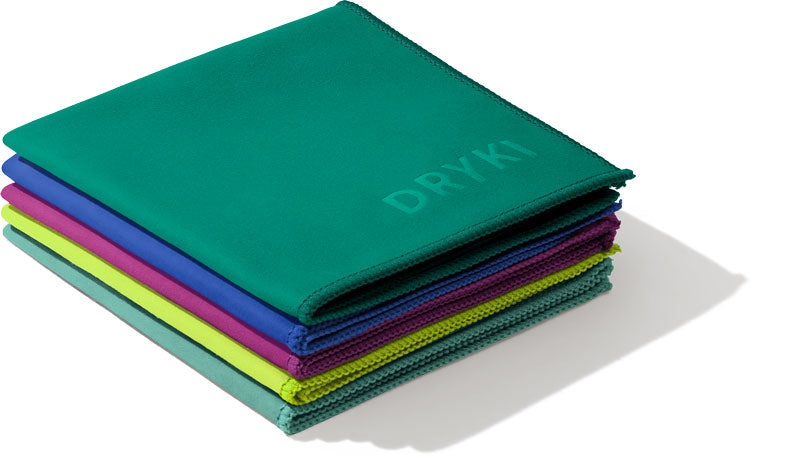
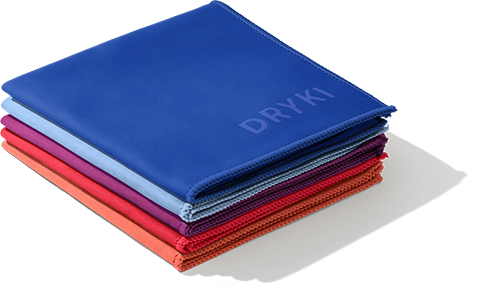
DRYKI makes pocket-sized sweat-absorbing handkerchiefs that can be kept beside an amp, on a music stand, in a pocket, or somewhere else that's easy to reach between songs.
Rather than wiping your palms on your clothes, take a few seconds to blot your hands whenever there's a natural break.
You can use the same towel for forehead or face sweat if you're performing somewhere hot, although you'll probably want to decide which section of the towel is doing which job.
A little organization never hurt anyone.
2. Dry Your Hands Before You Start Playing
Don't wait for your hands to become noticeably wet.
If you know you're someone whose palms sweat under pressure, give them a quick dry immediately before picking up your instrument.
This is particularly useful before:
-
Walking onstage
-
An audition
-
A recording session
-
A difficult piece
-
A long rehearsal
-
An outdoor performance
Keeping a DRYKI sweat towel in your instrument case or gig bag also means you don't have to remember to hunt down paper towels five minutes before you're supposed to play.
The goal isn't necessarily perfectly dry hands for an entire performance.
It's managing the moisture before it becomes distracting.
3. Pay Attention to the Room or Stage
Sometimes your hands aren't the main problem.
The room is.
A small rehearsal space full of people and equipment can heat up quickly. Stage lighting and outdoor gigs can make things even warmer.
When you have control over the environment, look for simple improvements such as better airflow or a comfortable room temperature.
During longer rehearsals, use breaks to step away, cool down, drink some water, and dry your hands before starting again.
If you're playing outdoors, shade between sets can make a noticeable difference too.
You may not be able to control the temperature of every venue, but you can at least recognize when the environment is contributing to the problem.
4. Learn Your Nervous-Sweat Pattern
Do your hands sweat just as much while casually practicing alone?
Or does it suddenly happen when you're about to perform?
If the difference is dramatic, nerves may be one of your triggers.
Sweating when you're nervous is a normal physiological response. The nervous system controls emotional sweating, and the palms are one of the areas where it commonly appears.
Try noticing when your sweating starts.
Maybe it's during soundcheck. Maybe it's five minutes before you go onstage. Maybe your hands are fine until you reach the difficult section you've been worrying about all week.
Once you know the pattern, you can prepare around it.
5. Be Careful With Quick-Fix Products Around Your Instrument
When your hands feel slippery, it's tempting to put something on them immediately.
But powders, lotions, grip products, cleaners, and other substances may not belong anywhere near your particular instrument or its finish.
Before putting a product on your hands or instrument specifically to improve grip, check the instrument manufacturer's care recommendations or ask an appropriate instrument professional.
This matters especially for instruments with delicate finishes, strings, keys, pads, wood, or other surfaces that can be affected by residue.
Sometimes the simplest approach is also the safest:
Remove the moisture rather than adding another substance.
6. Keep Your Instrument Clean According to Its Care Instructions
Sweat doesn't disappear when it leaves your hands.
Some of it ends up on the instrument.
Exactly how you should clean that moisture depends heavily on what you're playing. A guitar, trumpet, violin, keyboard, and drum kit obviously don't have the same cleaning requirements.
Follow the manufacturer's care instructions for your particular instrument, and use the correct cleaning materials rather than assuming one method works for everything.
For valuable or delicate instruments, ask a qualified technician or specialist if you're unsure.
Your sweat towel is for you.
Your instrument should get whatever care is appropriate for the instrument.
7. Think About Caffeine Before a High-Pressure Performance
Coffee before rehearsal?
Energy drink before the gig?
For some people, caffeine can contribute to sweating. Cleveland Clinic lists caffeinated beverages among potential sweating triggers.
That doesn't mean every musician with sweaty hands needs to give up coffee.
Instead, notice your own pattern.
If your palms seem noticeably sweatier after caffeine, experiment with having less before an important performance and see whether you notice a difference.
It's a small variable that's easy to overlook.
8. Build a Tiny Pre-Performance Routine
You probably already have things you do before performing.
Tune the instrument. Check your equipment. Look over the set list. Wonder why that one cable has disappeared again.
Add your hands to the checklist.
Before you start:
-
Cool down if you're overheated.
-
Drink some water.
-
Blot your palms if they're damp.
-
Make sure your sweat towel is somewhere accessible.
-
Check that anything you need between songs is ready.
Having a simple way to manage sweat means you can deal with it quickly instead of letting it become one more thing to think about onstage.
What If Your Hands Sweat Excessively Even When You Aren’t Performing?
There's a difference between getting clammy palms before a big performance and experiencing excessive hand sweating throughout everyday life.
Palmar hyperhidrosis is excessive sweating affecting the hands. Primary hyperhidrosis isn't necessarily caused by heat or exercise and can run in families.
If your hands sweat heavily while you're cool or at rest, regularly interfere with playing your instrument or other daily activities, or the amount you sweat has suddenly changed, consider discussing it with a healthcare professional.
Mayo Clinic recommends seeking medical advice when sweating disrupts daily life, suddenly increases, causes significant distress, or includes unexplained night sweats.
Your Hands Should Be Thinking About the Music
Sweaty hands might be annoying, but they don't have to become the main thing you're thinking about every time you play.
Learn what triggers yours. Keep your environment comfortable when possible. Give yourself opportunities to dry your hands, and keep an absorbent towel somewhere accessible during rehearsals and performances.
Then get back to the thing your hands are actually there to do.
Blog posts
Sweaty Hands While Playing an Instrument? Here’s What Musicians Can Do

Why Do Some People Sweat More Than Others?

8 Back-to-School Backpack Essentials for Active Kids
 DRIES FAST. NEVER SMELLS.
 ABSORBS SWEAT AND TEARS.
 FITS IN YOUR POCKET.
Product list