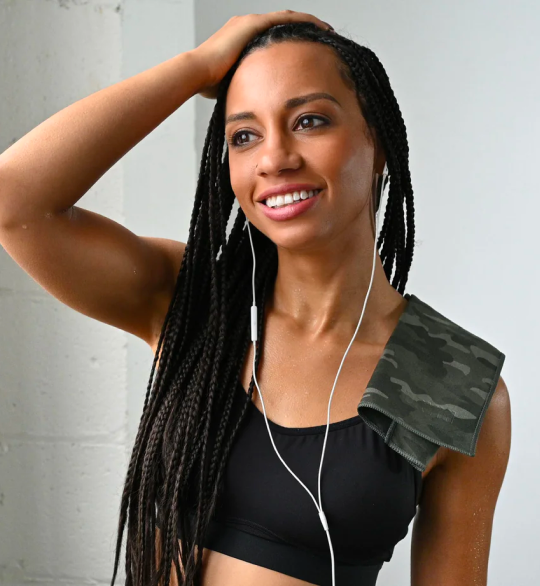

Sweating during a marathon isn't exactly a surprise.
After miles of running, your shirt may be soaked, your face may be dripping, and suddenly the tiny bead of sweat heading directly toward your eye feels like your biggest competitor.
Sweat is part of how your body handles the heat generated during exercise. For marathon runners, the goal isn't to somehow stop sweating. It's to manage it well enough that sweat doesn't become an unnecessary distraction over 26.2 miles.
From hydration to what you wear, here are practical ways to make a sweaty long run or race a little more manageable.
Figure Out Your Sweat Strategy During Training
Race day is not the ideal time to discover that your carefully planned sweat solution doesn't work.
Long training runs give you a chance to learn:
-
How heavily you tend to sweat
-
Which areas bother you most
-
How different weather conditions affect you
-
Whether sweat tends to run into your eyes
-
How much fluid you typically need
-
Which clothing becomes uncomfortable once it's wet
Pay attention to patterns rather than treating every sweaty run as something to simply endure.
The more you learn during training, the fewer surprises you'll have when race day arrives.
Have a Hydration Plan That Works for You
Marathoners are among the endurance athletes who need to pay closer attention to fluid and electrolyte balance, particularly when training or racing for extended periods in the heat.
The American College of Sports Medicine recommends practicing your hydration strategy during training rather than waiting until race day.
That doesn't mean drinking as much as physically possible at every opportunity. Hydration needs can vary considerably between runners based on factors like conditions, pace, duration, and individual sweat rate.
Use your long runs to figure out what works for you, and follow guidance from your race organizers and qualified sports-health professionals when planning for a marathon.
Carry Something Specifically for Sweat
You probably wouldn't carry a bath towel through a marathon.
But having something small enough to deal with sweat can be surprisingly useful.
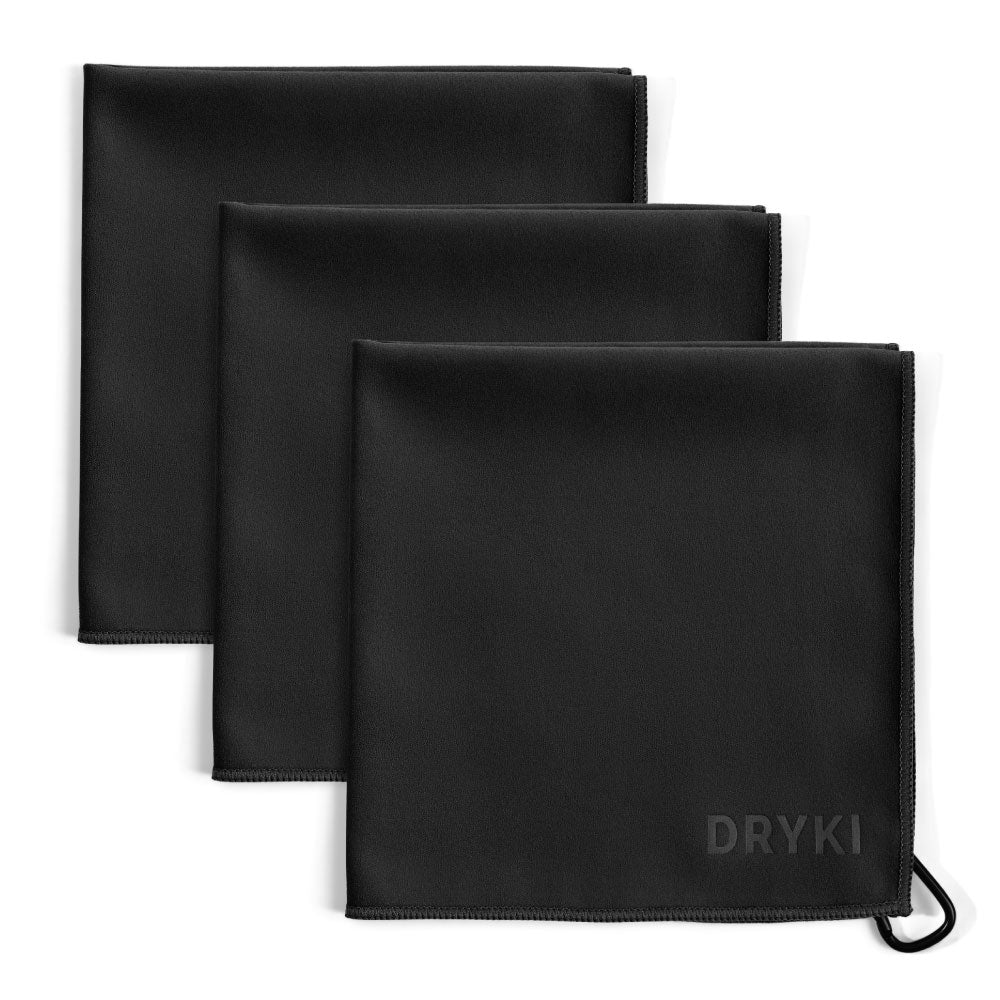
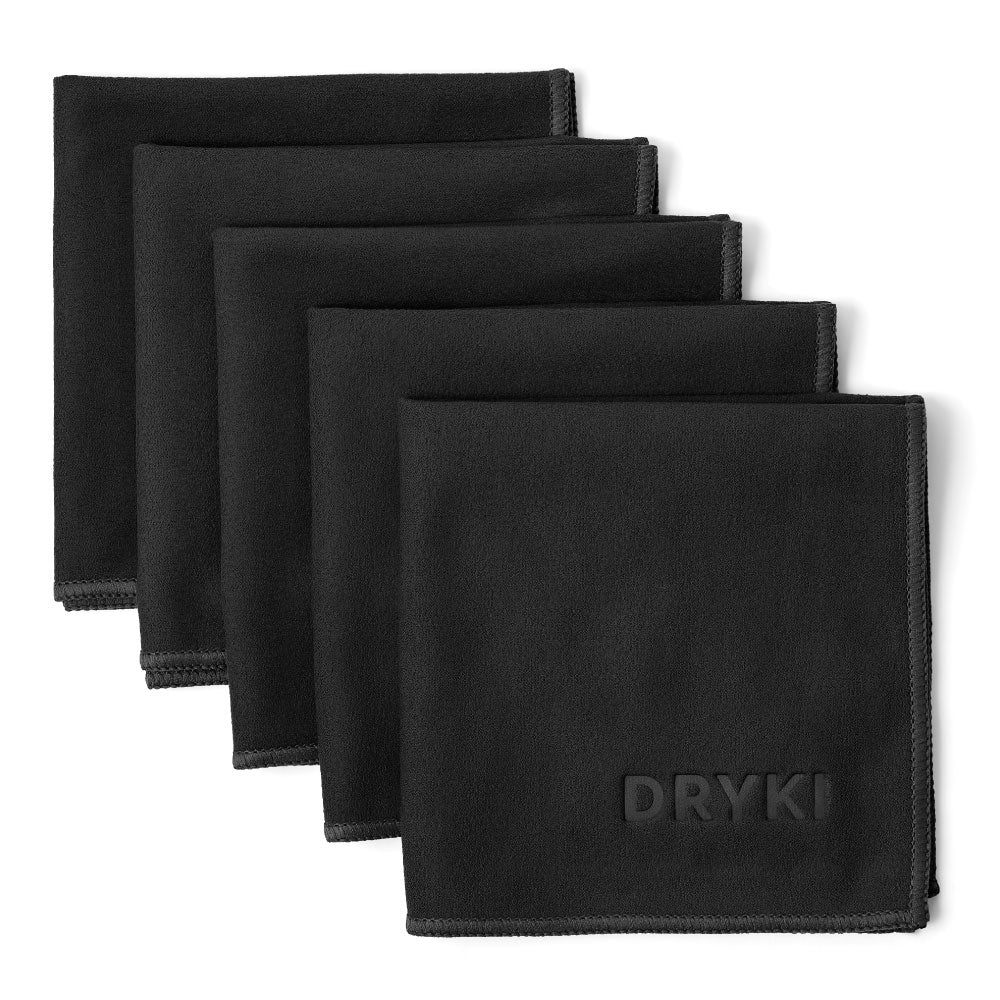
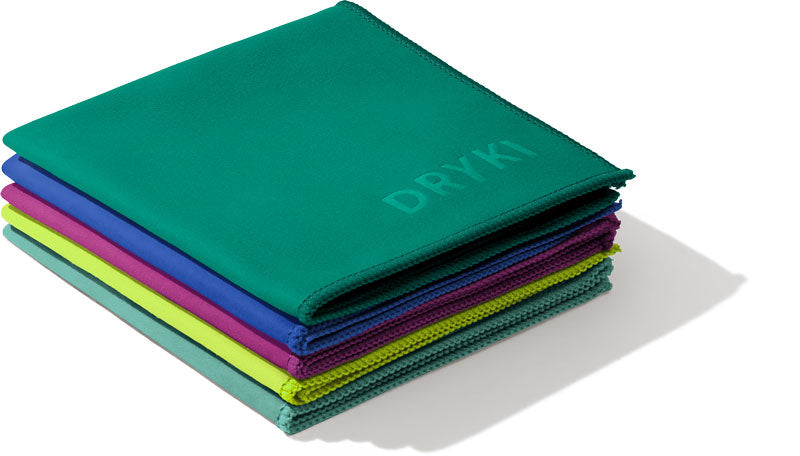
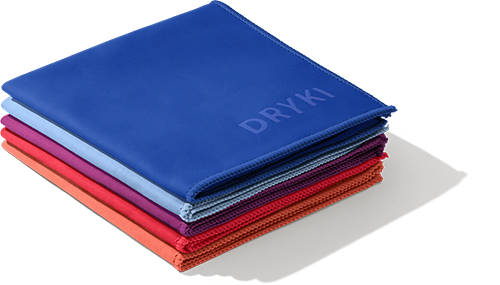
For this exact problem, DRYKI makes 10 × 10-inch pocket-sized sweat towels that can be folded into a running belt, pocket, or other small storage space.
Use one to blot sweat from your forehead, face, neck, or hands when needed.
This can be especially useful if sweat tends to run toward your eyes or if you don't enjoy repeatedly wiping your face with a wet sleeve.
Just make sure you test where you're carrying it during training. An item can weigh almost nothing and still become incredibly annoying if it bounces against you for 26 miles.
Dress for Mile 20, Not Just the Starting Line
Race mornings can be deceptive.
You may feel cool while standing around before the start, but once you've been running for a while, your body is generating plenty of heat.
Choose running clothes you've already tested on longer runs and in conditions reasonably similar to what you expect on race day.
Pay attention to more than whether an outfit looks or feels good while dry.
How does the fabric feel once you've been sweating in it for an hour?
Does anything start sticking?
Does a seam suddenly become irritating?
Does your shirt become much heavier when wet?
The marathon is a terrible place to discover that your new race outfit has opinions.
Protect the Places Where Sweat Causes Problems
Sometimes sweat itself isn't the biggest annoyance.
It's what happens after hours of sweating and repetitive movement.
Wet fabric and repeated friction can make certain areas uncomfortable during a long run. Your training runs are the time to identify your own problem spots and figure out what clothing, fit, or anti-chafing strategy works for you.
Don't assume something will be fine for 26.2 miles because it felt fine during a quick five-mile run.
Marathons are very good at exposing small problems.
Think About Your Eyes
Sweat running into your eyes can become irritating very quickly, particularly when you're already tired and trying to maintain your pace.
A hat, visor, or sweat-wicking headband may help manage sweat around your forehead.
Some runners may prefer carrying a small towel instead.
A DRYKI sweat towel takes up relatively little room and gives you a dedicated option for blotting your forehead and face instead of repeatedly using your shirt or hands.
Whichever method you prefer, test it during training.
The best marathon gear is usually the gear you've already forgotten you're wearing or carrying.
Don't Forget Your Hands
Faces get most of the attention when we talk about running sweat, but sweaty hands can also become annoying over a long race.
You may be handling:
-
Water cups
-
Energy gels or snacks
-
Your phone
-
Sunglasses
-
Earbuds
-
A running belt
-
Bottles or hydration gear
If your hands get particularly sweaty, occasionally drying them can make handling small items easier.
It may also save you from the uniquely frustrating experience of trying to open an energy gel with slippery fingers while continuing to run.
Adapt to the Weather You're Actually Racing In
A sweat strategy that works beautifully during a cool spring training run may feel very different during a warm, humid race.
Check the forecast as race day approaches and adjust accordingly.
Temperature, humidity, sun exposure, wind, and your expected finish time can all affect how the race feels.
If conditions are significantly hotter than what you've trained for, take the heat seriously and follow the event's safety guidance.
Your finish time is not more important than your health.
Keep Your Sweat Gear Accessible
If you decide to carry something for sweat, don't bury it underneath everything else in your running belt.
You should be able to reach frequently used items without turning your run into a scavenger hunt.
The same applies to gels, hydration, and anything else you expect to use regularly.
Long-distance running has a way of making simple tasks feel surprisingly complicated late in a race.
Make things easy for your future, very tired self.
Accept That You're Going to Look Sweaty
This may be the most effective sweat-proof solution of all.
You're running a marathon.
You're allowed to look like you're running a marathon.
The goal isn't to cross the finish line looking like you've just stepped out of an air-conditioned building. It's to prevent sweat from interfering with your comfort, vision, grip, hydration strategy, or focus.
Train with the gear you plan to use. Learn how your body responds. Prepare for the weather. Keep a practical way to manage sweat within reach if you need one.
Then worry about the running.
Twenty-six point two miles should provide plenty of other things to think about.
Blog posts

How to Hide Underarm Sweat Without Changing Your Entire Wardrobe
You don't need a new wardrobe to deal with underarm sweat. Learn how to make sweat marks less noticeable with smarter clothing choices and everyday solutions.

The Best Gear for Sweat-Free Streaming Sessions
Long streaming sessions can get surprisingly sweaty. Discover practical gear upgrades for keeping your hands dry, your setup comfortable, and your stream running smoothly.

How to Arrive at Work Looking Fresh After a Sweaty Commute
Cold outside, overheated on the train? Here are practical ways to manage winter layers, commute sweat, and arrive at work feeling fresh.
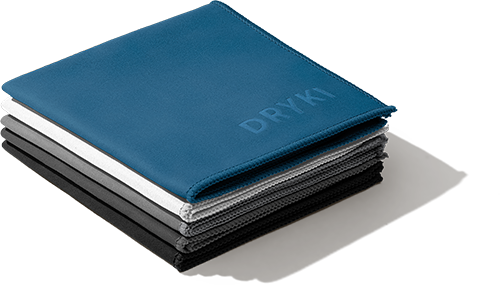 DRIES FAST. NEVER SMELLS.
 ABSORBS SWEAT AND TEARS.
 FITS IN YOUR POCKET.
Product list