
You’re prepared.
Your slides are ready. You know what you’re going to say. The room isn’t particularly hot.
Then someone introduces you, you walk to the front of the room, and suddenly your palms are damp and there’s sweat forming across your forehead.
Public speaking can make you sweat even when temperature has absolutely nothing to do with it.
That’s because your body doesn’t only sweat when it needs to cool down. Emotions can trigger sweating too.
Why Does Public Speaking Make You Sweat?
Your sympathetic nervous system helps control your body’s response to stressful situations.
When you’re nervous about giving a presentation, your body can activate its familiar fight-or-flight response. Your heart may beat faster, your muscles can tense, your breathing may change, and you may start sweating.
Cleveland Clinic explains that the body experiences both thermal sweating, which responds to increased temperature, and emotional sweating, which responds to emotions.
Emotional sweating commonly appears on areas including the palms, forehead, underarms, and soles of the feet.
Which, inconveniently, includes several places where you’d rather not suddenly become noticeably sweaty while standing in front of a room.
You Can Sweat Even When You Don’t Feel Nervous
Sometimes your body seems more nervous about the presentation than you are.
You might feel mentally prepared but still notice physical signs of stress such as sweaty palms, a flushed face, shaky hands, or a faster heartbeat.
Performance anxiety can cause physical responses even when you know there’s no actual danger involved.
So sweating before a presentation doesn’t necessarily mean you’re unprepared or terrible at public speaking.
Your nervous system is simply responding to a high-pressure situation.
1. Give Yourself Time to Cool Down Before You Speak
One of the easiest mistakes is arriving at a presentation already overheated.
Maybe you rushed across the office, walked several blocks from the parking lot, carried equipment upstairs, or hurried into the building because you were running late.
Now you have physical heat and presentation nerves working together.
Whenever possible, arrive early enough to sit down, cool off, drink some water, organize your materials, and let your body settle before you need to speak.
Even a few quiet minutes can be more useful than arriving exactly on time and immediately walking to the front of the room.
2. Keep Something for Sweat Within Reach
If you already know your forehead, face, or palms tend to sweat before presentations, plan for it instead of hoping this particular presentation will somehow be different.
Keep something small and absorbent nearby.
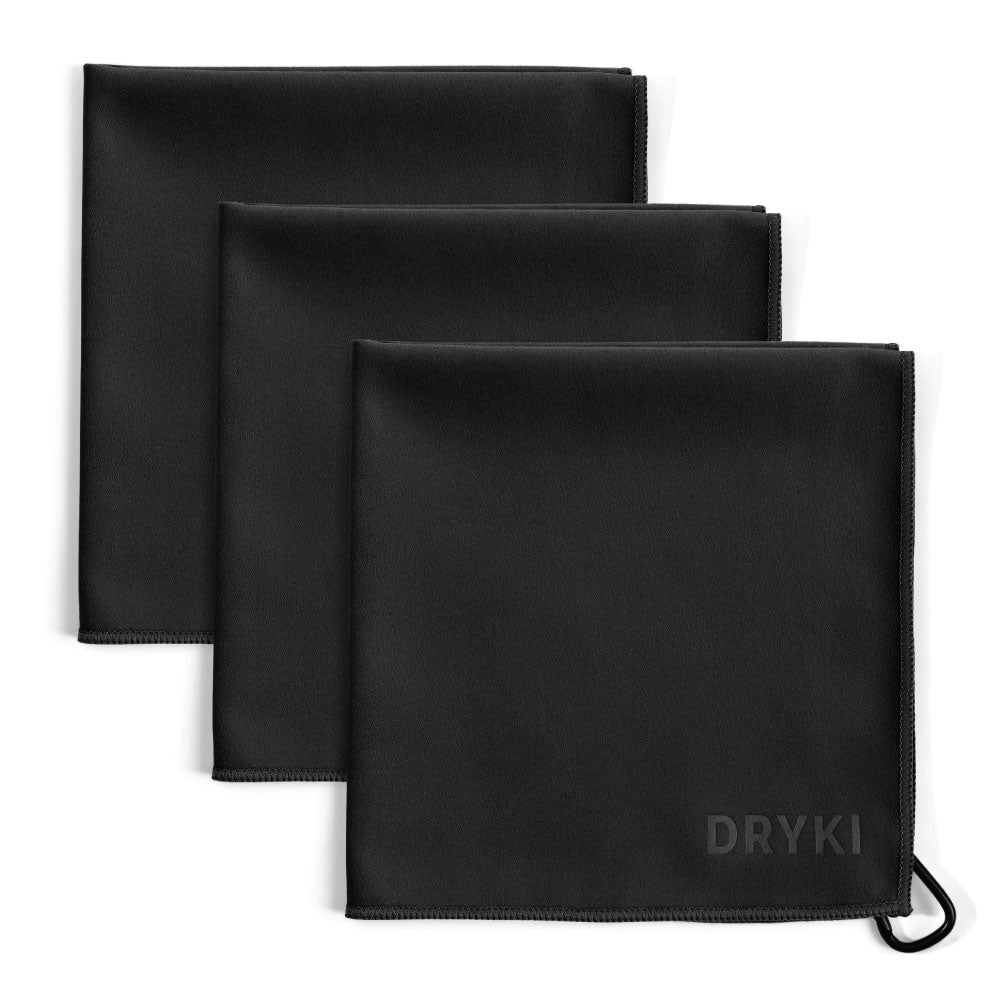
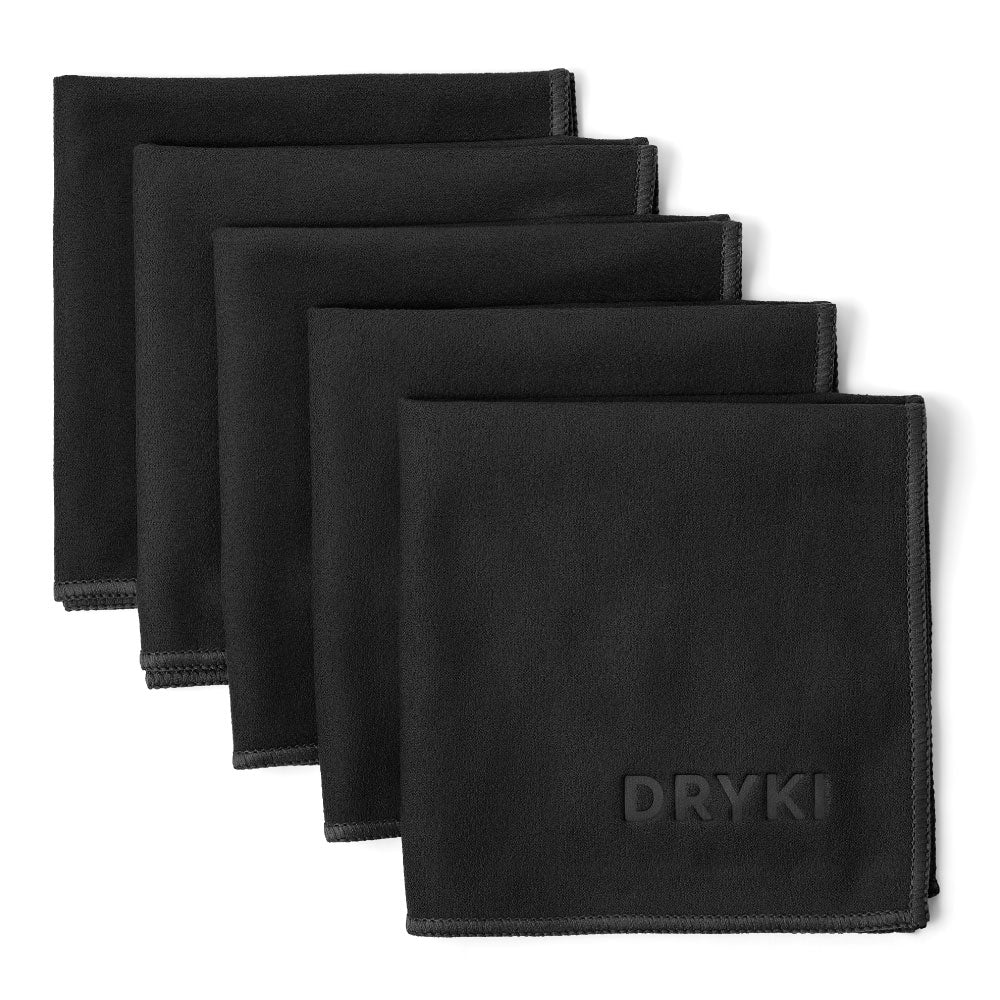
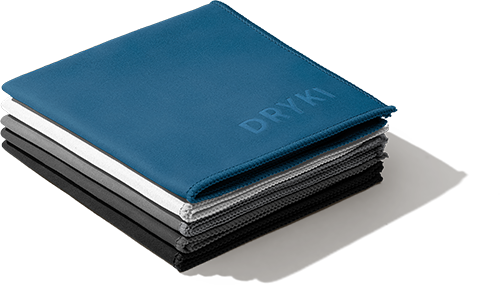
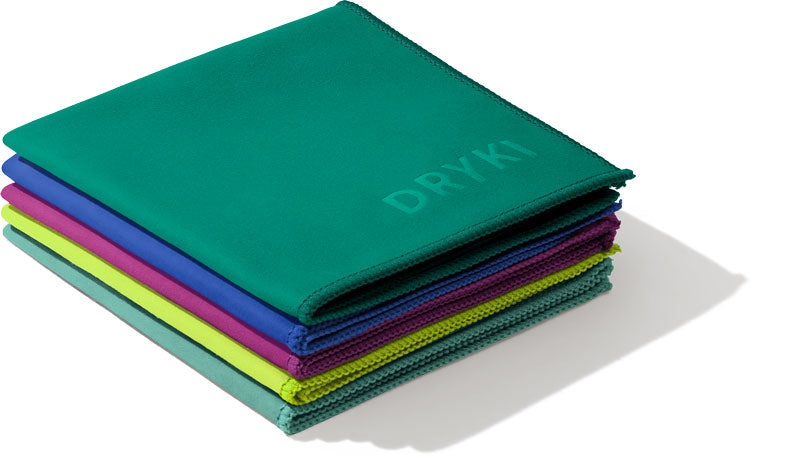
For this exact problem, DRYKI makes pocket-sized sweat-absorbing handkerchiefs that measure 10 × 10 inches and can fit discreetly in a pocket, purse, work bag, or laptop bag.
Before you're introduced, blot your forehead or palms if needed.
You don't necessarily need to bring the towel to the podium and dramatically mop your brow mid-sentence. The useful moment may simply be the minute before everyone starts looking at you.
3. Dry Your Hands Before the Handshake
Presentations often involve more than the presentation itself.
You may be introduced to a client, shake hands with someone before a meeting, pass around documents, adjust a microphone, or handle a presentation remote.
If nervous sweating tends to show up on your palms, take care of it before those moments.
A quick blot with your DRYKI sweat handkerchief before entering the room or getting up to speak is much easier than suddenly realizing your hand is damp as someone reaches toward you.
Think of it like checking that your slides are working.
It's simply one more thing you can handle ahead of time.
4. Think About What You’re Wearing
Presentation clothes shouldn't create an entirely separate problem for you to worry about.
If you know you tend to sweat when nervous, consider that when choosing what to wear.
Breathable clothing, comfortable layers, and an outfit you've already worn successfully can be easier to manage than something restrictive or unfamiliar.
If visible sweat is a concern, you can also use clothing choices strategically. We've previously covered ways to hide sweat without ruining your outfit, including fabric, color, fit, and layering considerations.
The goal isn't to dress as though sweat is an emergency.
It's to choose an outfit that lets you concentrate on what you're saying instead of repeatedly checking whether something is showing.
5. Watch Your Pre-Presentation Caffeine
A giant coffee may feel essential before an important meeting.
If you're prone to sweating, however, it's worth paying attention to whether caffeine seems to make the problem worse.
The American Academy of Dermatology includes caffeine among potential sweating triggers for people who experience excessive sweating.
You don't necessarily need to swear off coffee every time you have a presentation.
Just learn your own pattern.
If two coffees plus a high-stakes presentation reliably leaves you feeling much sweatier than usual, that's useful information for next time.
6. Practice the First Minute
The beginning of a presentation can feel like the most intense part.
Everyone has just turned toward you. You haven't settled into your rhythm yet. You're suddenly extremely aware that you have hands.
Practicing your opening until it feels familiar can remove one source of uncertainty.
Know your first sentence. Know where you're standing. Know what you're doing with the presentation remote. Know what comes after your introduction.
You don't need to memorize the entire presentation word for word.
You just want the first minute to feel less like you're launching yourself into space.
7. Stop Checking Whether You’re Sweating
This one is easier said than done.
Once you notice yourself sweating, it's tempting to start monitoring it constantly:
Is my forehead shiny? Can they see it? Are my hands wet? Is my shirt showing sweat?
Now part of your attention is on the presentation and part is conducting a live investigation of your sweat glands.
Prepare for the practical side beforehand. Blot your face and hands. Adjust your clothes. Keep your pocket-sized sweat towel somewhere accessible.
Then redirect your attention toward the actual reason you're in the room.
Sometimes having a simple way to handle sweat makes it easier to stop thinking about it.
What If You Sweat Excessively Every Time You Speak?
Getting a little sweaty before an important presentation can be a normal response to stress.
But excessive sweating can also be associated with hyperhidrosis, a medical condition involving sweating beyond what's needed to cool the body.
The American Academy of Dermatology notes that people with hyperhidrosis may experience sweating that interferes with activities such as giving presentations, writing, using a computer, or shaking hands.
If sweating happens frequently, occurs when you're cool and at rest, or regularly interferes with work and everyday life, consider discussing it with a healthcare professional or dermatologist.
You can learn more from the American Academy of Dermatology's guide to hyperhidrosis.
Prepare for the Sweat, Then Focus on the Speech
You can't always convince your nervous system that giving a presentation is no big deal.
You can make its reaction easier to manage.
Arrive early. Give yourself time to cool down. Choose clothes you're comfortable in. Know your opening. Keep something absorbent nearby if sweaty palms or forehead sweat are predictable for you.
Then give the presentation.
Because the goal isn't necessarily to walk into every room completely sweat-free.
It's to know that even if you do sweat, you're prepared for it.
Blog posts

Sweaty Hands While Playing an Instrument? Here’s What Musicians Can Do

Why Do Some People Sweat More Than Others?

8 Back-to-School Backpack Essentials for Active Kids
 DRIES FAST. NEVER SMELLS.
 ABSORBS SWEAT AND TEARS.
 FITS IN YOUR POCKET.
Product list