Sweaty Mountain Bike Ride? What to Carry Without Overpacking
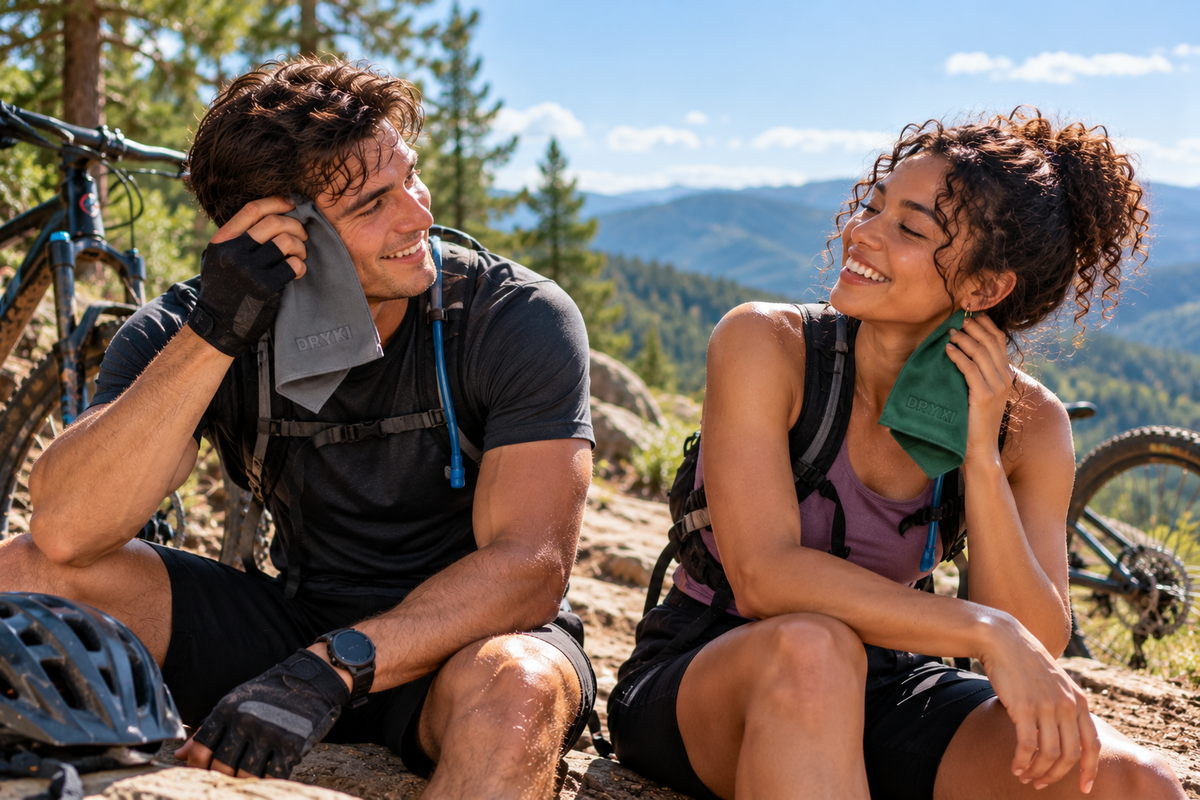
Mountain biking creates a packing problem.
You want enough gear to deal with sweat, thirst, a flat tire, a minor scrape, or an unexpected problem on the trail.
But you also have to ride a bike with all of it.
Unless you're heading out on a particularly long or remote ride, you probably don't need to carry half your garage on your back. The better approach is to choose small, useful items that solve the problems you're actually likely to encounter.
Here are a few things worth making room for.
1. Water You Can Easily Reach
Hydration gets priority.
Depending on your bike and the length of your ride, that could mean a water bottle or hydration pack. REI includes hydration among its mountain biking essentials, along with a helmet, eye protection, gloves, first-aid supplies, and basic repair gear.
The important part is accessibility. If getting a drink requires stopping, removing your pack, and digging through everything you brought, you're probably going to drink less often than you intended.
For longer, harder, or hotter rides, adjust how much you bring accordingly.
2. A Sweat Towel That Actually Fits in Your Pocket
This one came directly from a DRYKI customer:
“Exactly what I needed. Fits perfectly in my pocket while mountain biking!”
That's a pretty good description of what useful trail gear should do.
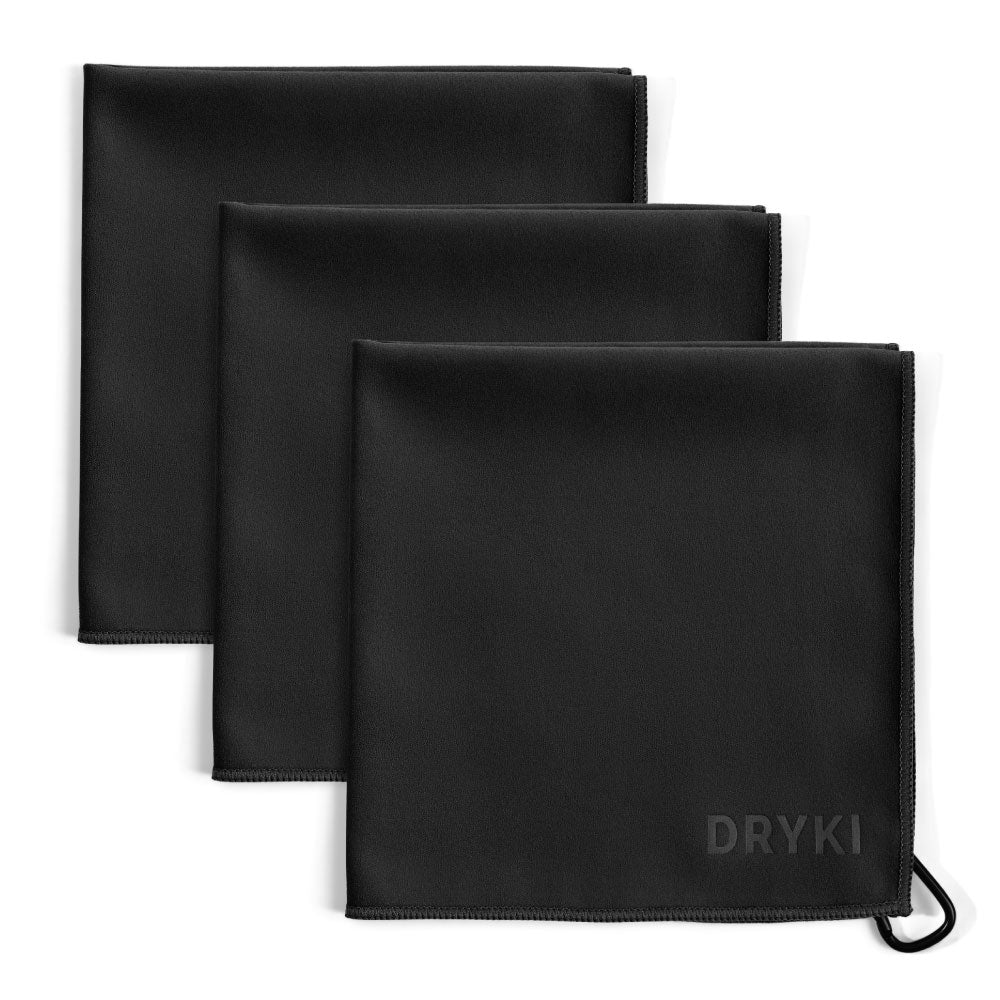
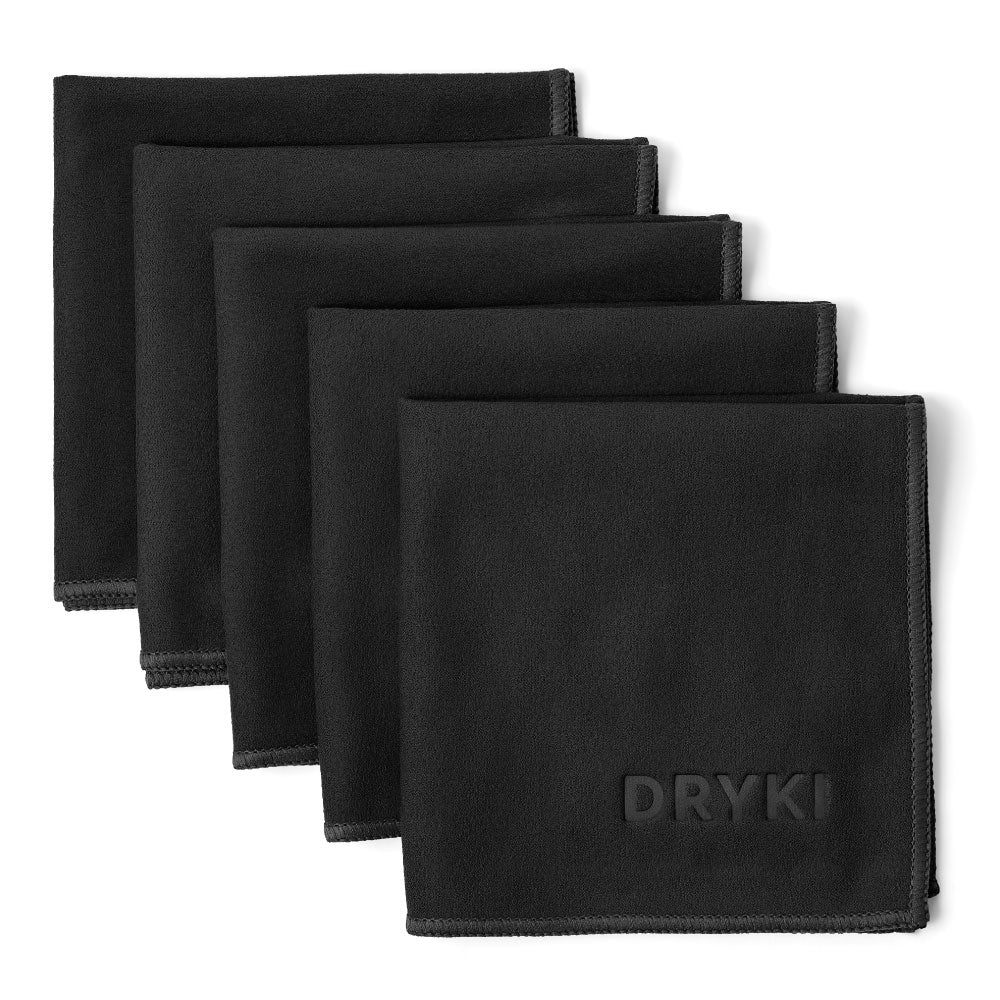
For this exact problem, DRYKI makes 10 × 10-inch pocket-sized sweat towels that give you something absorbent for your face, forehead, neck, or hands without taking up the space of a regular towel.
Fold one into a pocket, hip pack, or easy-to-reach compartment.
The easy-to-reach part matters. When sweat starts running toward your eyes halfway through a ride, you probably won't be excited about unpacking your entire bag to find the towel.
3. The Smallest Repair Kit That Covers the Basics
You don't need enough equipment to open a trailside bike shop.
But you should have a plan for common problems.
A basic mountain bike repair setup might include:
- A spare tube and/or patch kit
- Tire levers
- A compact pump
- A bike multi-tool
For longer or more remote rides, additional tools and supplies may make sense.
What you bring should also reflect what you actually know how to use. A beautifully packed repair tool isn't particularly helpful if you have no idea what it does.
Before heading somewhere remote, learn how to handle the basic problems your kit is intended to solve.
4. A Few First-Aid Basics
Dirt trails aren't famous for being soft.
A compact first-aid kit doesn't have to take up much room, and basic first-aid supplies are worth carrying in case a minor fall or scrape interrupts your ride.
What belongs in yours depends on the ride, your needs, and how far you'll be from help.
A quick local loop and several hours in remote terrain aren't the same trip, so don't pack for them as if they are.
5. Your Phone, With the Route Available Offline When Needed
Your phone can handle several jobs at once: navigation, emergency communication, ride tracking, weather checks, and the obligatory trail photo that makes the climb look much more enjoyable than it actually was.
Bring it charged.
If you're riding somewhere with unreliable service, download your route or map before leaving rather than assuming you'll have a signal when you need one.
For more remote rides, it's also smart to let someone know where you're going and when you expect to return.
6. A Small Snack for Longer Rides
A snack doesn't need to become a picnic.
Choose something compact that can survive being bounced around and that you already know works well for you during physical activity.
How much you need depends on the duration and intensity of the ride.
For a short local loop, you may not need much at all. For a longer day out, plan accordingly.
Pack for the ride you're actually doing, not the ride you imagine yourself doing in an inspirational documentary.
7. Sun and Eye Protection
Sunglasses or clear cycling glasses aren't just there to complete the look.
Depending on the trail, eye protection can help shield your eyes from sun, dust, bugs, branches, and debris.
For exposed daytime rides, sunscreen is another small item worth thinking about before you leave. Apply it before the ride, and if you'll be outside long enough to need another application, bring an appropriately sized amount with you.
8. Put Frequently Used Gear Where You Can Actually Reach It
Packing efficiently isn't only about what you bring.
It's also about where you put it.
Things you may need frequently should be accessible. Emergency items can sit deeper in your pack.
For example:
- Water: very accessible
- Phone: accessible
- Sweat towel: accessible
- Snack: accessible
- Spare tube: can live deeper in the pack
- Less frequently used repair gear: wherever it fits securely
Keeping a DRYKI sweat towel in a pocket makes much more sense than burying it underneath your repair kit.
Small gear only feels convenient when you can actually get to it.
9. Pack for This Ride, Not Every Ride You've Ever Taken
Before you leave, ask a few questions:
- How long am I riding?
- What will the weather be like?
- How remote is the trail?
- Am I riding alone?
- How far would I have to walk if my bike couldn't continue?
- How quickly could I get help if something went wrong?
The answers should change what you carry.
There's a difference between packing light and being unprepared.
Aim for the first one.
Small Gear Earns Its Space
When you're carrying everything yourself, every item should have a reason for being there.
Start with the things that matter for safety, hydration, navigation, and basic repairs. Then make room for the small comfort items that solve problems you know you're going to have.
That's what makes the mountain biker's review of DRYKI so useful:
“Fits perfectly in my pocket.”
Sometimes that's exactly the qualification a piece of trail gear needs to pass.
Blog posts

How to Hide Underarm Sweat Without Changing Your Entire Wardrobe
You don't need a new wardrobe to deal with underarm sweat. Learn how to make sweat marks less noticeable with smarter clothing choices and everyday solutions.

The Best Gear for Sweat-Free Streaming Sessions
Long streaming sessions can get surprisingly sweaty. Discover practical gear upgrades for keeping your hands dry, your setup comfortable, and your stream running smoothly.

How to Arrive at Work Looking Fresh After a Sweaty Commute
Cold outside, overheated on the train? Here are practical ways to manage winter layers, commute sweat, and arrive at work feeling fresh.
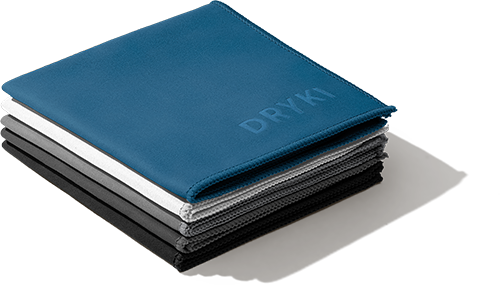 DRIES FAST. NEVER SMELLS.
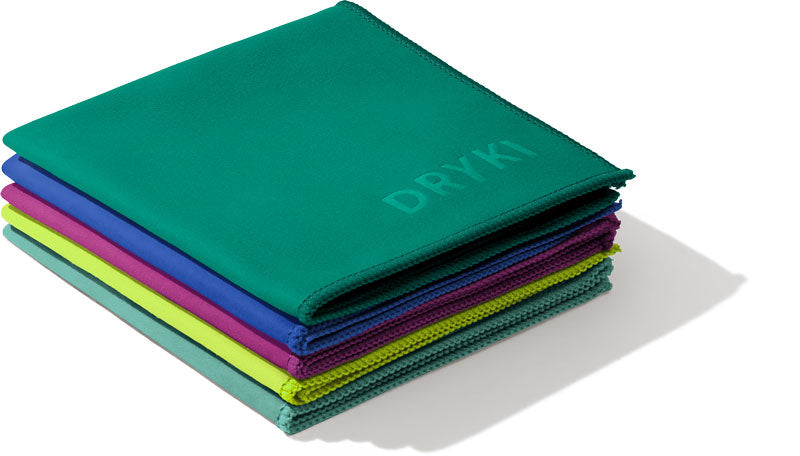 ABSORBS SWEAT AND TEARS.
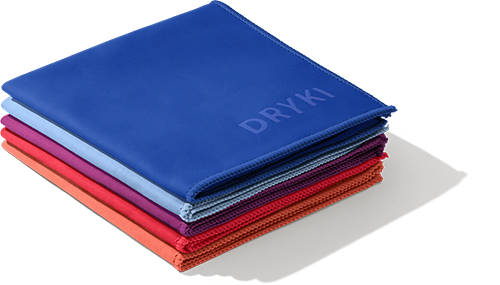 FITS IN YOUR POCKET.
Product list