
National parks are great at providing mountain views, wildlife sightings, waterfalls, and the occasional moment when you realize you've been walking uphill much longer than anticipated.
What they generally don't provide is a convenient bathroom every time you feel sweaty, dusty, or ready for a refresh.
Whether you're hiking several miles or spending the day hopping between overlooks and visitor centers, a little preparation can help you stay considerably more comfortable without packing half your bathroom into the wilderness.
Start With the Actual Hiking Essentials
Before worrying about feeling fresh, make sure you're prepared to be safe.
The National Park Service recommends its Ten Essentials for outdoor trips, including navigation, sun protection, insulation, illumination, first-aid supplies, nutrition, hydration, and emergency shelter.
What you need beyond those basics depends heavily on the park, weather, trail, season, elevation, and length of your trip.
Check the individual park's website before leaving. Trail closures, wildfire conditions, extreme heat, storms, wildlife activity, and water availability can change what you need to carry.
Fresh is nice. Knowing where you're going is nicer.
Keep Sweat Management Somewhere You Can Actually Reach It
If you know you're going to sweat, don't bury the thing you plan to use for sweat underneath your lunch, rain jacket, camera gear, and emergency supplies.
Keep it in an exterior or easily accessible backpack pocket.
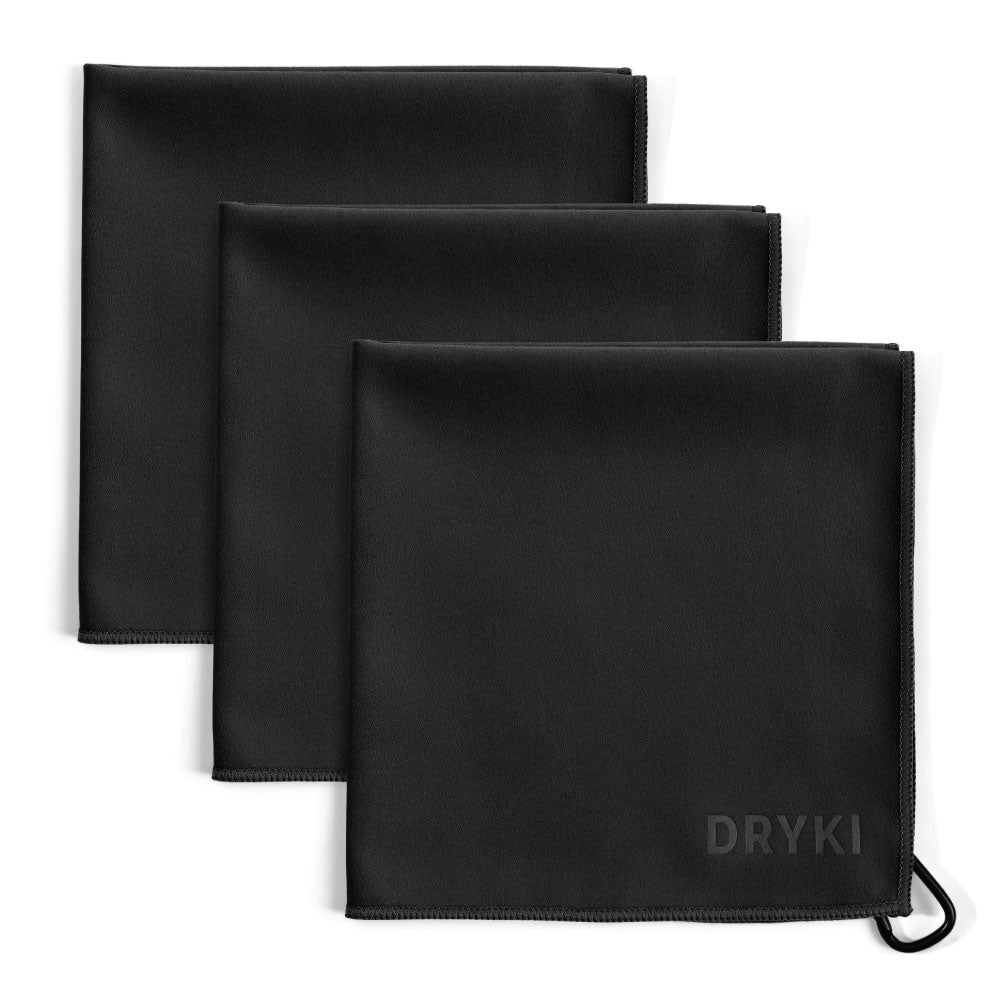
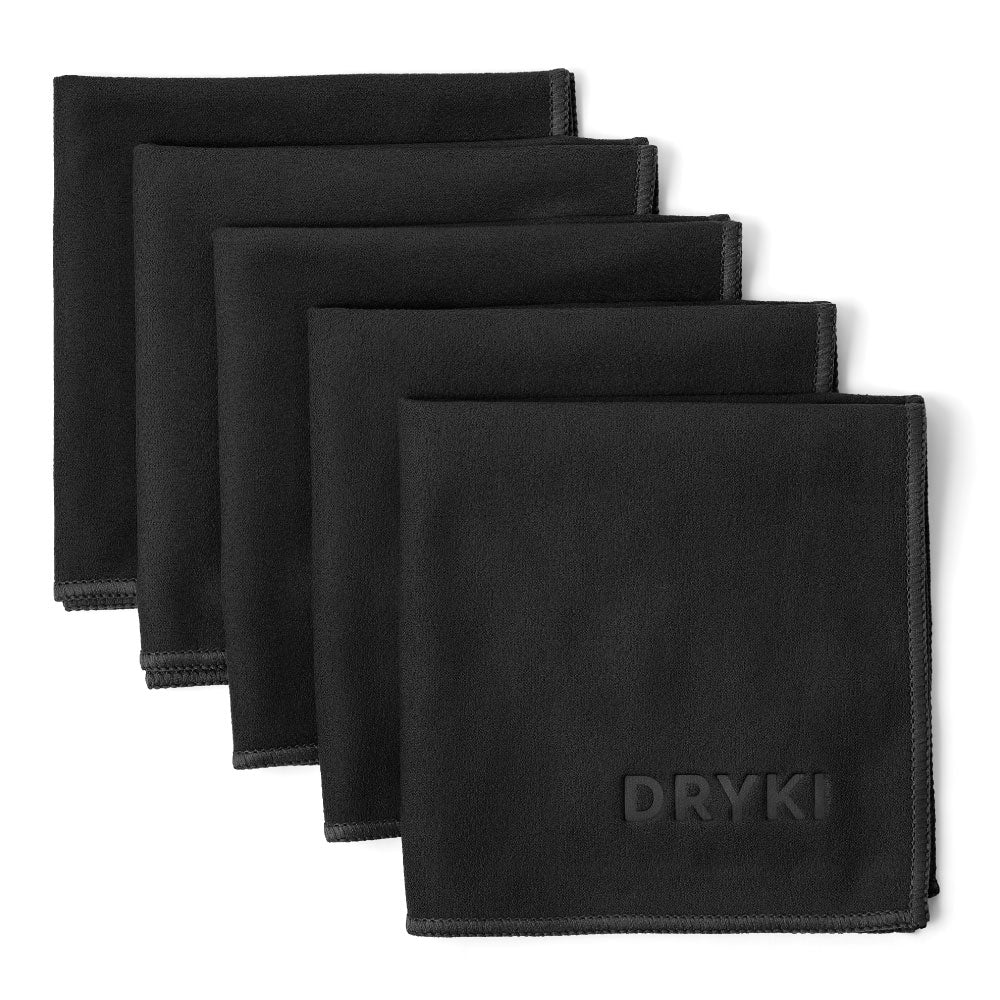
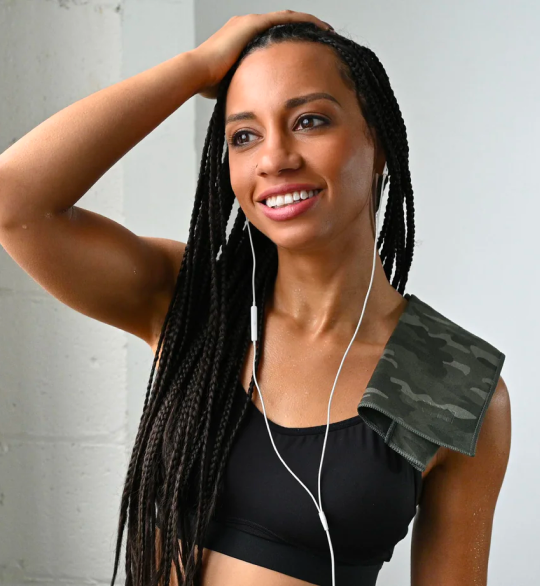
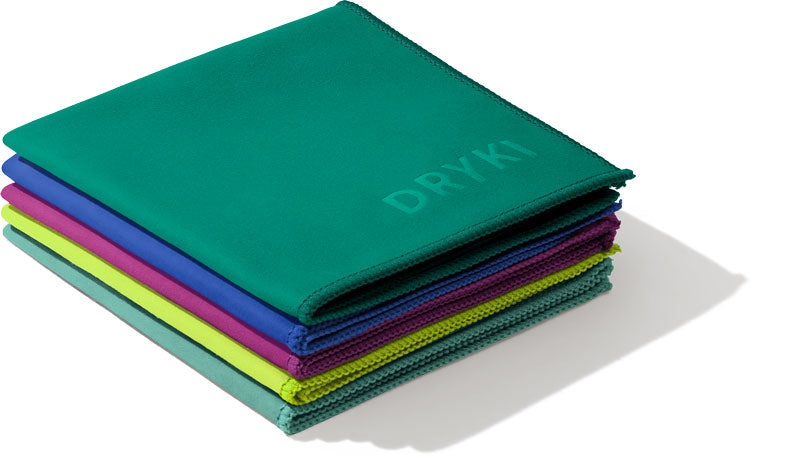
A full-size towel is unnecessary for most day hikes, which is where something smaller can be useful. DRYKI makes pocket-sized sweat-absorbing handkerchiefs that measure 10 × 10 inches and can be used for blotting sweat from your forehead, face, neck, or hands without taking up much pack space.
That can be particularly handy before photos, at scenic stops, or when you arrive back at the visitor center looking considerably more adventurous than you did when you left.
It's one of those small ways to make sweaty days more comfortable without adding much weight to your pack.
Dress for the Trail, Not Just the Photos
National parks are understandably tempting places to plan a good outfit.
Just make sure it's an outfit you're willing to actually walk in.
The National Park Service recommends choosing footwear appropriate to the trail and notes that wool or synthetic moisture-wicking socks can be useful for longer hikes. Packing an extra pair can also save the day if your socks become soaked.
For hot conditions, NPS heat-safety guidance recommends lightweight, light-colored, loose-fitting clothing along with sun protection. (National Park Service heat guidance)
One useful approach is to keep a cleaner top or layer in the car if you're planning to hike first and then visit a lodge, restaurant, town, or another attraction afterward.
You don't need to hike in your “after” clothes just to look fresh later.
Separate Trail Clothes From Everything Else
Here's an easy post-hike trick: leave an empty washable pouch or packing cube in your car.
When you return, sweaty socks, shirts, or other damp gear can go directly inside instead of sitting against your clean clothes, seats, or travel bag.
If you're on a road trip and won't have laundry access that evening, don't seal very damp clothing away indefinitely. Give it a chance to dry when you reach somewhere appropriate.
Future-you, opening the car the next morning, will appreciate this decision.
Bring Enough Water for the Conditions
Hydration isn't the part of a national-park trip where you want to improvise.
The National Park Service recommends planning your water supply according to the weather, activity, and availability of reliable water sources. Hot-weather hikes can require significantly more preparation. (NPS Hike Smart)
Do your research before the hike rather than assuming there will be somewhere to refill your bottle along the trail.
And if you're visiting a high-elevation park, remember that altitude can add another variable. Give yourself time to acclimate and don't automatically choose the hardest trail on your first morning simply because the view looked good on Instagram.
Create a Tiny Post-Hike Refresh Kit
If you're returning to your car before continuing your day, leave a small refresh kit behind instead of carrying all of it on the trail.
It might include:
- A clean shirt
- Fresh socks
- Deodorant
- Face or body wipes
- Hairbrush or comb
- A small sweat towel
- Dry shoes or sandals
- A bag for dirty clothes
This is especially useful on trips where the hike is only one part of the day.
Five minutes at the car can make the difference between happily heading to dinner and wondering whether everyone else at the restaurant can tell you've spent four hours climbing switchbacks.
Take Your Photo Break Before You're Completely Exhausted
Here's one national-park tip that has nothing to do with survival but may save the family photo.
If there's a major viewpoint you know you want pictures at, take a minute before reaching it to drink some water, blot your face, adjust your hat or hair, and put away anything you don't want dangling from you in every photo.
Don't wait until everyone has been standing in direct sun for fifteen minutes while one person attempts to understand portrait mode.
You can enjoy the view first. You can also take thirty seconds to stop looking like the trail personally offended you.
Both are allowed.
Don't Forget Sun Protection
Sunscreen, sunglasses, hats, and protective clothing are part of the National Park Service's recommended Ten Essentials.
Remember that your needs can change throughout the day. If you're sweating heavily or spending hours outdoors, follow your sunscreen's directions for reapplication rather than assuming the layer you applied at the hotel will carry you through the entire adventure.
Shade breaks can also give everyone a chance to cool down, hydrate, and assess how they're feeling before continuing.
Adjust Your Plan When the Heat Wins
Staying comfortable sometimes means changing the plan rather than finding another product to pack.
NPS recommends knowing your limits, taking breaks, checking weather and park alerts, and choosing trails appropriate to your group. Hot-weather guidance also recommends considering cooler parts of the day for outdoor activity. (NPS Hike Smart)
If conditions are hotter than expected, choose a shorter trail, spend some time at the visitor center, take a scenic drive, or save the ambitious hike for another morning.
There is no national-park award for being the sweatiest person to stubbornly finish a trail at 2 p.m.
Stay Fresh Enough to Enjoy the Adventure
A national park isn't somewhere you need to stay perfectly clean. A little dust, sweat, and trail hair are part of the experience.
The goal is simply to keep minor discomfort from taking over the day.
Pack for the conditions, keep water and sweat essentials accessible, wear clothes suited to the trail, and leave a small refresh kit waiting at the car when possible.
Then you can focus on the part you actually came for: seeing somewhere spectacular.
Blog posts

Sweaty Hands While Playing an Instrument? Here’s What Musicians Can Do

Why Do Some People Sweat More Than Others?
8 Back-to-School Backpack Essentials for Active Kids
 DRIES FAST. NEVER SMELLS.
 ABSORBS SWEAT AND TEARS.
 FITS IN YOUR POCKET.
Product list