Fall hiking has a wardrobe problem.
You leave the trailhead on a crisp morning feeling very pleased with your fleece. Twenty minutes of uphill hiking later, that same fleece feels like a terrible decision.
Then you stop at an overlook, cool down, and suddenly want it back.
That's what makes dressing for a fall hike trickier than simply checking the temperature and putting on a jacket. Your body temperature changes as you move, while fall weather can change around you at the same time.
The solution isn't necessarily wearing warmer clothes. It's layering strategically so you can adjust throughout the hike.
Think in Three Layers, Not One Perfect Outfit
A good fall hiking outfit is less about finding one jacket that does everything and more about combining layers with different jobs.
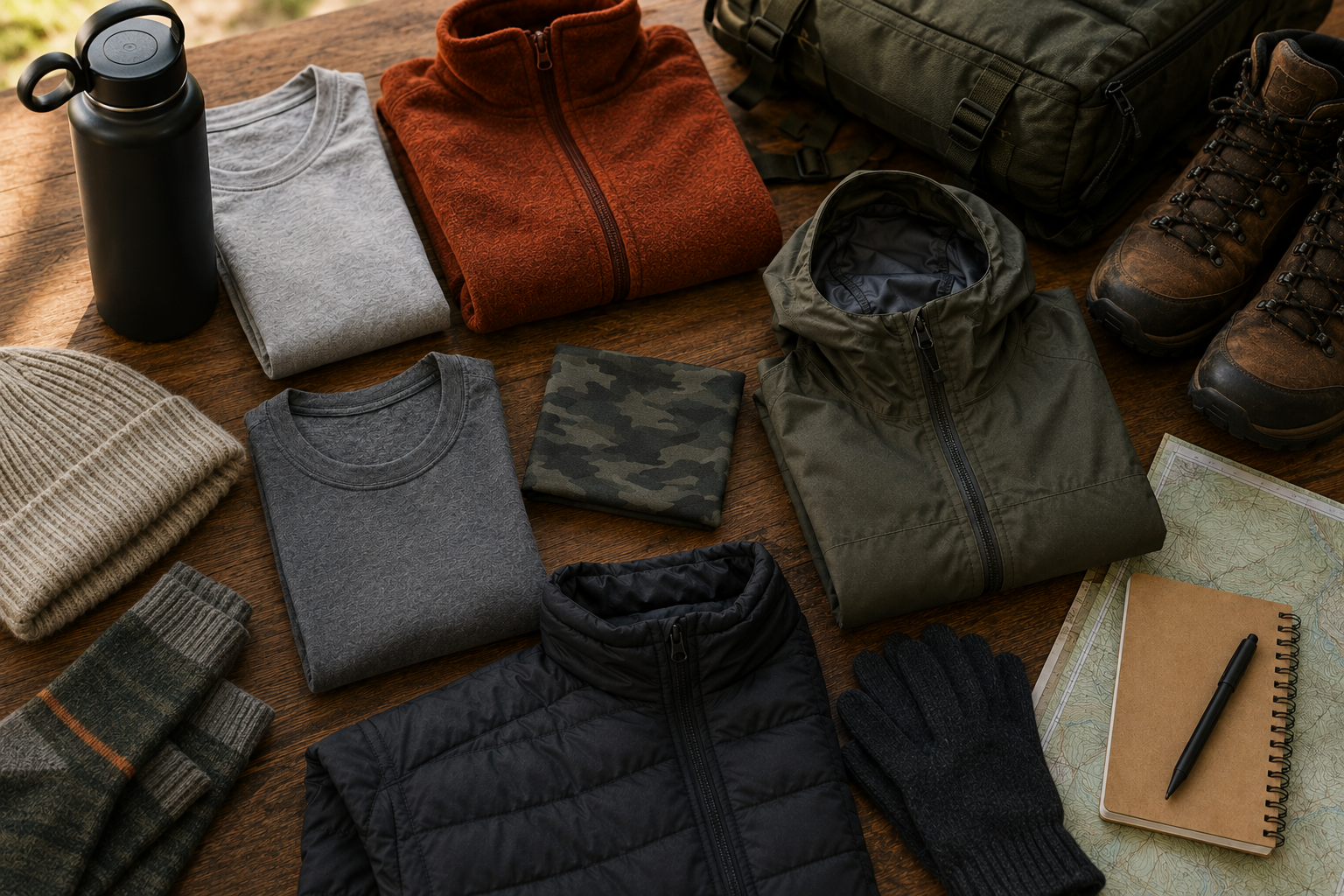
The classic REI layering system breaks clothing into three basic parts:
- Base layer: manages moisture next to your skin
- Mid layer: provides insulation
- Outer layer: helps protect you from wind and rain
You won't necessarily wear all three throughout the entire hike. That's the point.
A flexible layering system lets you remove or add clothing as your activity level and the weather change.
1. Start With a Base Layer That Can Handle Sweat
The layer touching your skin matters more than it might seem.
Even on a chilly fall morning, hiking uphill can generate plenty of body heat. If your first layer becomes soaked with sweat and stays wet, you'll notice it much more once you stop moving.
Look for a lightweight base layer designed to manage moisture. Synthetic performance fabrics and merino wool are common hiking choices. REI's guide to choosing base layers explains the differences between materials and weights if you're unsure where to start.
The National Park Service also recommends synthetic or wool under-layers for hikes where changing temperatures and moisture are concerns.
The goal isn't to somehow prevent yourself from sweating. It's to keep moisture from becoming a bigger comfort problem once your activity level drops.
2. Add a Mid Layer You Can Remove Easily
Your mid layer is there for warmth.
Depending on the conditions, that might mean a lightweight fleece, insulated vest, or another breathable insulating layer. A simple fleece such as Patagonia's R1 Air collection shows the type of lightweight insulating layer hikers often use when they want warmth without reaching immediately for a heavy winter jacket.
For fall hiking, convenience matters almost as much as warmth.
If removing your mid layer requires taking off your backpack, hat, sunglasses, hydration tube, and half your personality, you'll probably leave it on longer than you should.
Choose something that's easy to unzip or remove once you start warming up.
And don't wait until you're already drenched in sweat.
If you notice yourself getting noticeably warm during the first part of the hike, that's a good time to reassess your layers.
3. Keep an Outer Layer Ready for Wind and Rain
Fall weather can change quickly, particularly when you're hiking at elevation.
A lightweight waterproof or water-resistant shell can provide protection when wind or rain arrives without requiring you to hike all day in a bulky coat.
The National Park Service recommends bringing layers for changing conditions and, in environments where wet weather is possible, having appropriate waterproof protection available.
You may never pull your shell out of your backpack.
That's fine.
The point is having another option if the conditions at noon don't look anything like the conditions you saw at the trailhead.
4. Don't Dress Only for the Parking Lot
This is one of the easiest fall hiking mistakes to make.
You step out of the car. It's chilly. Naturally, you put on enough clothing to feel perfectly comfortable while standing still.
But hiking isn't standing still.
Once you start climbing, your body produces considerably more heat. The outfit that felt perfect beside the car can quickly become too much.
Instead, think about how you'll feel after you've been moving for 15 or 20 minutes.
That doesn't mean deliberately starting a hike dangerously underdressed. It means recognizing that your comfort level at the trailhead isn't necessarily your comfort level on the trail.
Keep extra warmth accessible so you can put it back on when you need it.
5. Have a Plan for the Sweat Your Layers Can't Handle
Good layers help manage moisture, but they don't magically make hiking sweat-free.
Your forehead, face, neck, and hands can still get sweaty even when your clothing is doing its job.
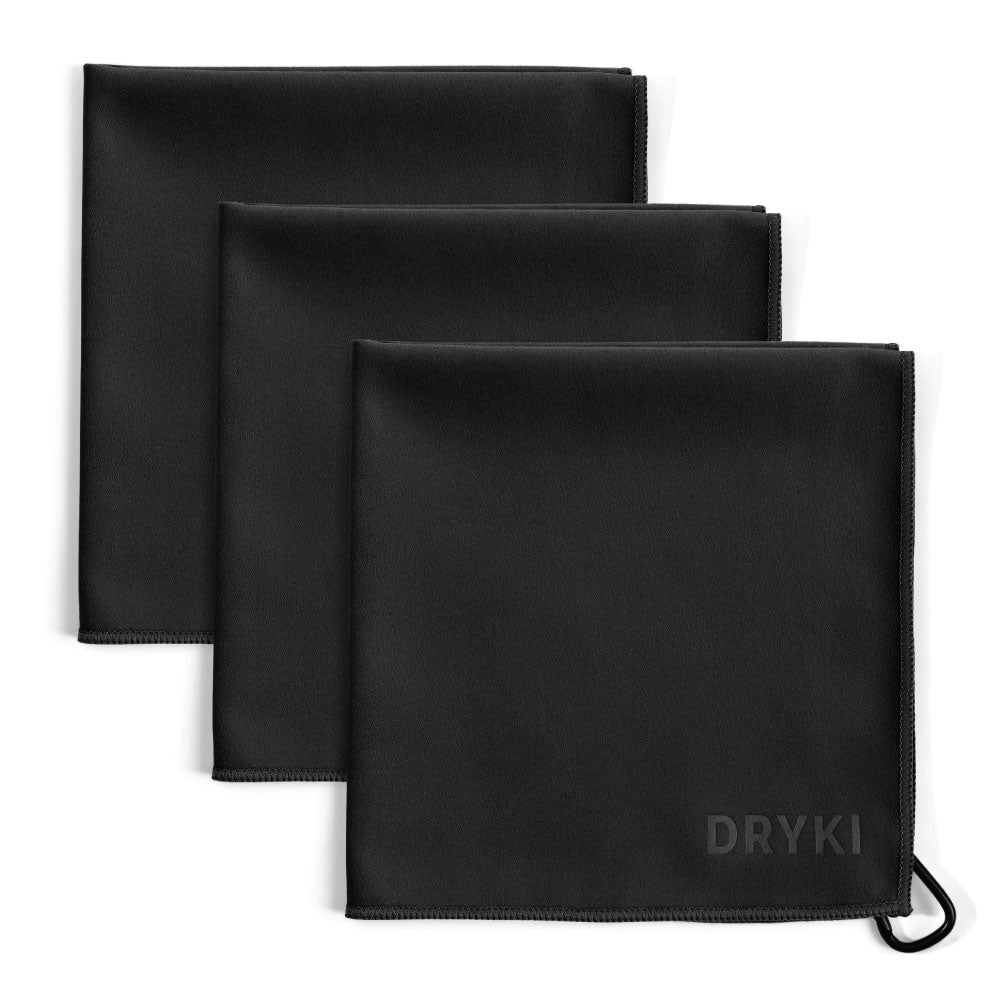
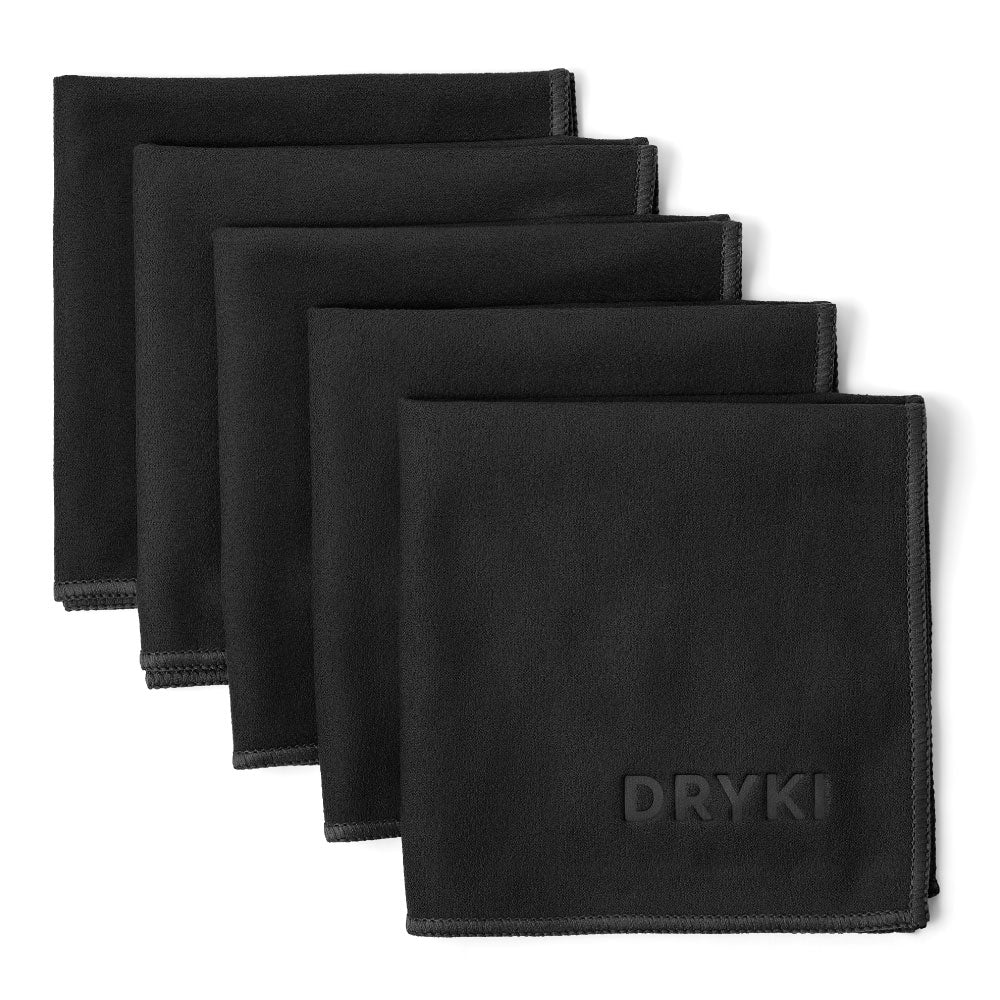
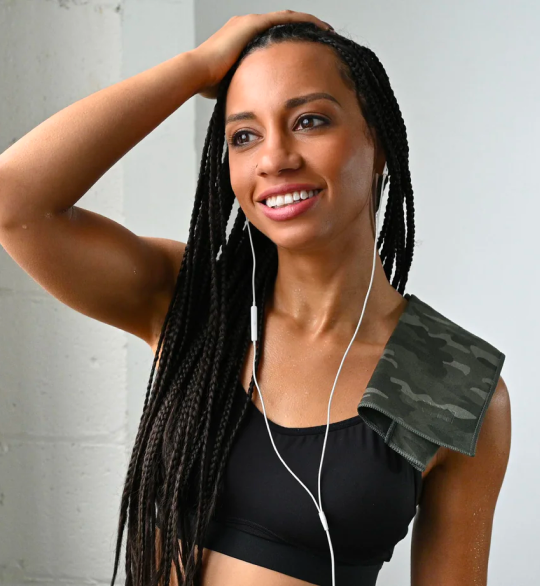
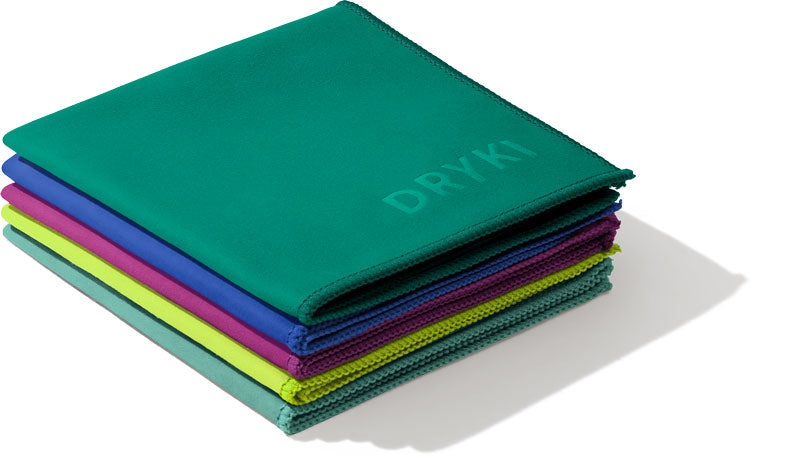
For this exact problem, DRYKI makes pocket-sized sweat-absorbing handkerchiefs that measure just 10 × 10 inches. A small sweat towel can be easier to keep accessible than a full-size towel when you're already carrying layers, water, food, and the other essentials your hike requires.
If you're likely to reach for it while moving, don't bury it at the bottom of your pack. Keep it in an exterior pocket or another spot you can reach quickly.
It's a simple way to handle sweat on the go without adding much bulk to your hiking setup.
6. Think About What Happens When You Stop
Here's where fall hiking gets sneaky.
During a climb, you may feel hot enough to hike comfortably in your base layer. Then you reach the overlook, stop moving, and the combination of cooler air, wind, and damp clothing suddenly becomes much more noticeable.
This is why layering works in both directions.
REI recommends adjusting layers as conditions change and notes that hikers may add a mid or outer layer during rest stops to avoid becoming chilled.
Before a longer break, assess how warm you are and how sweaty your clothing has become. Blot excess sweat, put an insulating layer back on when conditions call for it, and avoid staying unnecessarily damp.
7. Don't Forget Your Legs and Feet
Layering isn't only a torso problem.
Your lower half needs to match the conditions too. Mild fall weather may call for ordinary hiking pants, while colder or wetter conditions can require an additional base or protective layer.
Your socks deserve some thought as well.
Merino wool and synthetic hiking socks are commonly used because they're designed to manage moisture during activity. Smartwool's hiking socks are one example if you want to see what hiking-specific merino socks look like.
Bringing an extra pair can also be worthwhile on longer hikes or in wet conditions. The National Park Service includes synthetic or wool socks and appropriate outer layers in its backcountry clothing guidance.
Few things make a scenic fall hike feel considerably longer than wet feet.
8. Make Room for the Layers You Know You'll Remove
You know you're going to take clothing off, so plan for it before you leave.
Make sure your backpack has enough room for the fleece, vest, or shell you're wearing at the trailhead. Otherwise, you may end up tying clothing awkwardly around your waist or stuffing it somewhere it doesn't fit.
Keep the pieces you're most likely to put back on near the top of your pack.
The same principle applies to your DRYKI sweat towel, gloves, hat, and other small items you may use repeatedly: frequently needed gear shouldn't live underneath everything else.
9. Check More Than Just the Temperature
“55°F” doesn't tell you everything you need to know about a hike.
Wind, rain, elevation, sun exposure, trail difficulty, and how hard you'll be working can all change how that temperature actually feels.
Check the forecast close to your hike and look at guidance from the park or land manager responsible for the trail.
The National Park Service's Ten Essentials are also worth reviewing before a hike. Clothing is only one part of being prepared outdoors; navigation, hydration, nutrition, illumination, first aid, sun protection, and emergency supplies may matter too.
A short local nature walk and a long mountain hike shouldn't have identical preparation lists.
The Best Fall Hiking Outfit Is Adjustable
There isn't one perfect temperature at which a fleece becomes correct or one universal fall hiking outfit that works everywhere.
Your body, pace, elevation, weather, wind, and trail difficulty all affect how warm you'll feel.
That's why the most useful fall hiking wardrobe isn't necessarily the warmest one. It's the one you can adjust easily as conditions change.
Start with a moisture-managing base layer. Add warmth that can come off quickly. Carry appropriate protection from wind and rain. Pay attention when you start getting warm instead of waiting until you're soaked.
And remember that a chilly trailhead doesn't guarantee a chilly hike.
Sometimes the smartest thing you can wear for fall hiking is something you're prepared to take off ten minutes later.
Blog posts

Sweaty Hands While Playing an Instrument? Here’s What Musicians Can Do

Why Do Some People Sweat More Than Others?

8 Back-to-School Backpack Essentials for Active Kids
 DRIES FAST. NEVER SMELLS.
 ABSORBS SWEAT AND TEARS.
 FITS IN YOUR POCKET.
Product list